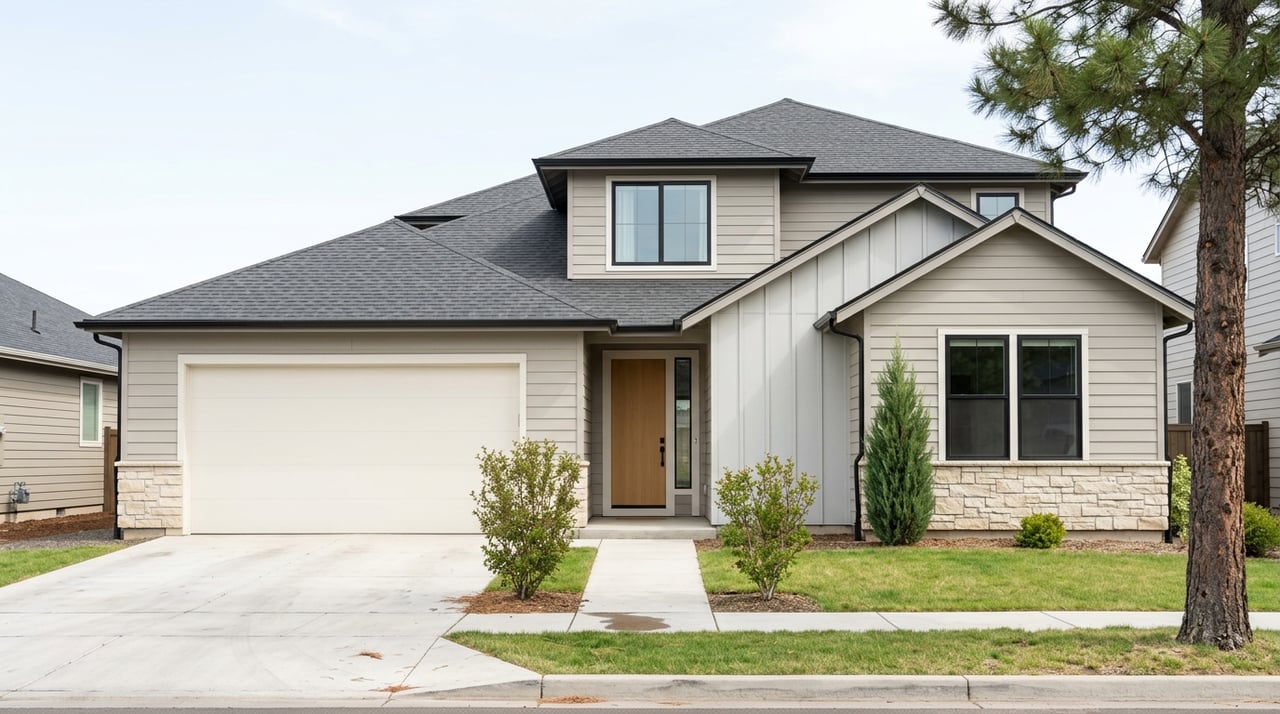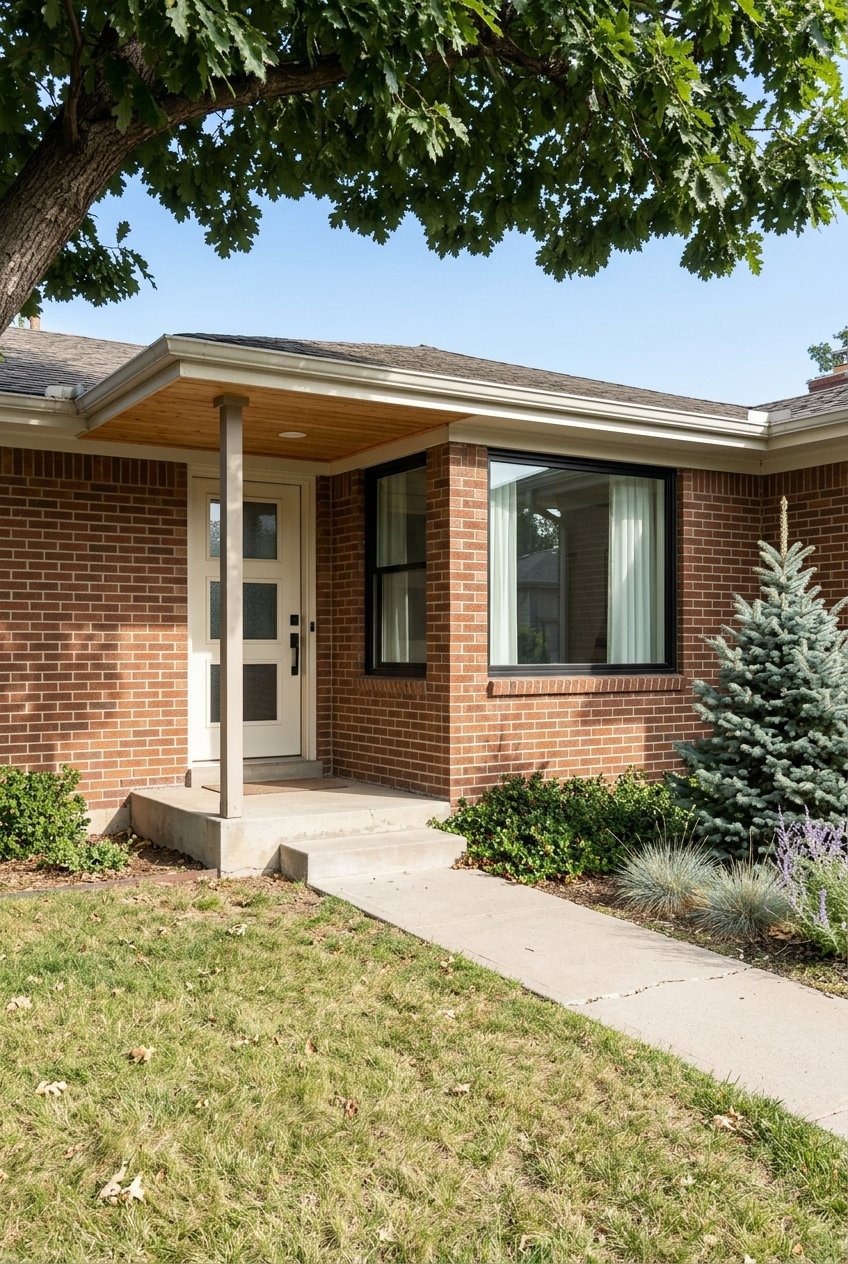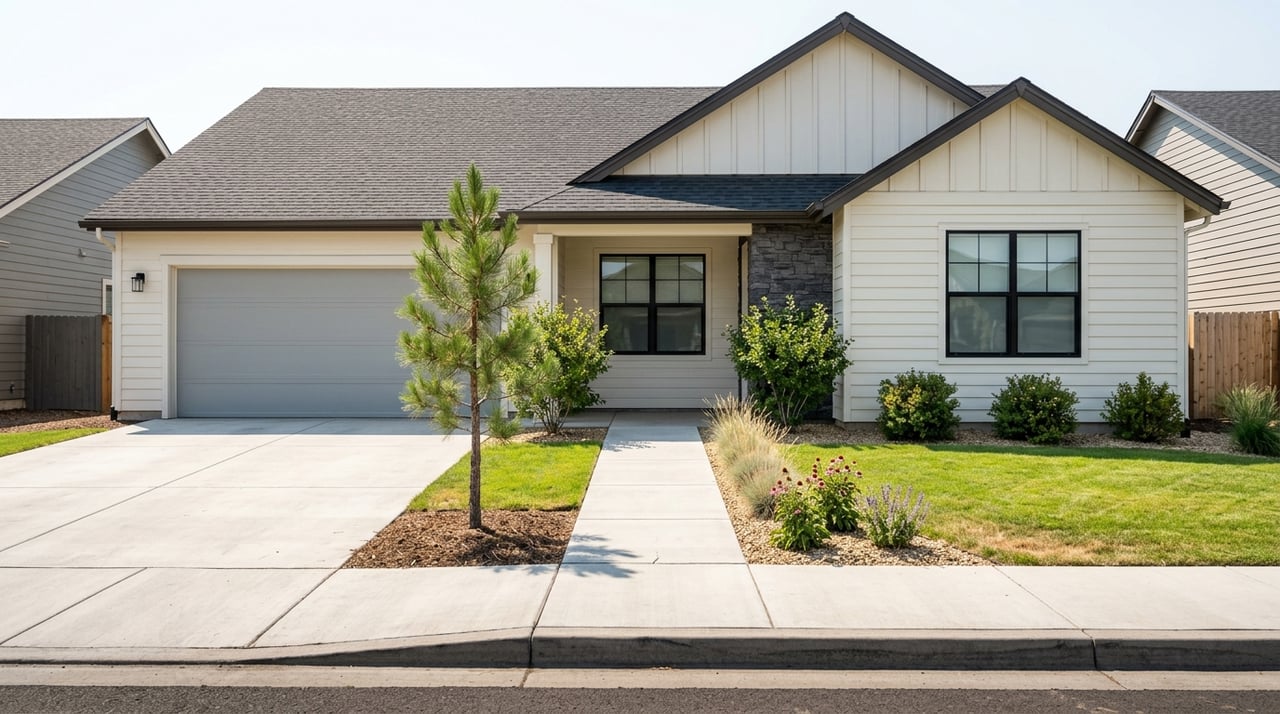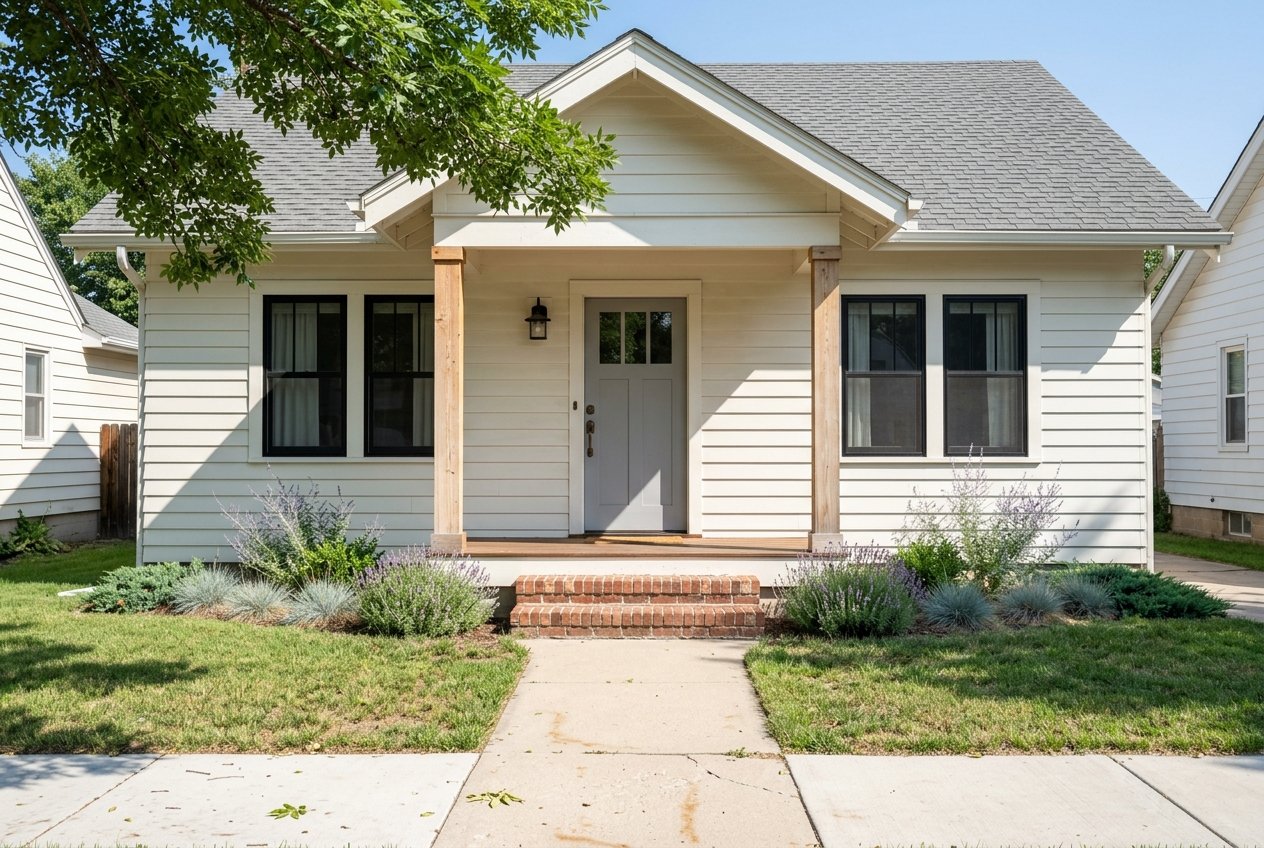
Wondering whether Old Town Lafayette or one of Lafayette’s newer communities is the better fit for your next move? It is a smart question, because these areas can feel very different in daily life even though they share the same city. If you are comparing charm, layout, convenience, and price, this guide will help you sort through the tradeoffs with more confidence. Let’s dive in.
Old Town Lafayette at a Glance
Old Town Lafayette is the city’s historic downtown core, centered mainly around the Public Road and Simpson Street corridor. The city describes this area as a destination for boutiques, international restaurants, parks, civic amenities, and community events. That gives Old Town a lively, established feel that many buyers notice right away.
This part of Lafayette is also shaped by preservation-focused planning. The city’s Old Town Neighborhood Overlay District is designed to maintain the area’s traditional character and guide new infill so it fits the surrounding scale and look. In practical terms, that often means homes with street-facing entries, front porches, and garages set back toward alleys or side streets when possible.
Architecturally, Old Town has a more historic look than many other parts of Lafayette. The city’s design resources reference styles like Queen Anne, Craftsman and Bungalow, Neoclassical Miner’s Cottage, and Folk Victorian. You do not need to know the style names to feel the difference, but you will likely notice the porch-forward streetscape and older visual character.
Newer Lafayette Communities Explained
Newer communities in Lafayette usually follow a more planned-neighborhood model. Instead of growing around a historic downtown pattern, they are often designed as complete neighborhoods with a mix of housing types, open space, parks, and trail connections. That can create a more intentionally organized feel from the start.
The city’s approved projects show how broad that category can be. For example, 40 North includes 419 residential units across single-family homes, townhomes, condos, and loft-style options, plus a community park, pocket parks, open space, and trails. Willoughby Corner is a 24-acre neighborhood planned for 400 permanently affordable homes with duplexes, townhomes, apartments, gardens, trails, park space, a dog park, and a community building.
Trails at Coal Creek offers another version of newer Lafayette living. That project includes 317 single-family homes and more than 20 acres dedicated to city open space, along with public trail connections into the regional Coal Creek trail system. Across these newer areas, you tend to see more shared amenities and more product variety within the same development.
Street Pattern and Home Style
Old Town Feels More Historic
Old Town is more compact and more tightly guided by neighborhood design standards. The overlay district sets a 7,000-square-foot minimum lot area for single-family homes and a 30% maximum lot coverage, while encouraging detached rear structures along alleys where feasible. As a result, the neighborhood often feels more street-oriented and a bit denser than a typical suburban subdivision.
Housing in Old Town is not limited to one format. The city notes that most of the area is zoned R-2, with the majority of homes being single-family and some duplexes scattered throughout. That mix gives buyers a blend of historic homes and a limited amount of attached housing.
Newer Areas Feel More Planned
Newer Lafayette neighborhoods often use a different design logic. City project narratives describe small blocks, generous sidewalks, trail networks, transit connections, and a mix of residential types that can include townhomes, condos, and apartment buildings alongside detached homes. These communities can still feel walkable, but the walkability usually comes from planning and connections rather than a traditional main street.
If you prefer newer construction, this can be a major advantage. You may find a wider range of layouts, community features, and home types in newer neighborhoods. The tradeoff is that the visual character usually feels less historic and more master-planned.
Walkability and Daily Convenience
Old Town Offers Stronger Downtown Access
If your ideal routine includes walking to restaurants, shops, parks, or community events, Old Town has a clear edge. The city highlights Old Town as a concentrated district for dining, shopping, art, parks, and civic uses, all within the downtown area. That concentration supports a true downtown feel in everyday life.
For some buyers, that convenience can shape the whole experience of living in Lafayette. You may be able to spend less time driving for dining or casual outings and more time enjoying the neighborhood itself. That is one of Old Town’s biggest draws.
Newer Communities Prioritize Parks and Connections
In newer communities, convenience often looks different. Retail may be built into the plan or located nearby along major corridors, while the neighborhood itself is more centered on internal parks, trails, and open space. Lafayette’s planning documents note that retail growth has concentrated along the US 287 corridor, while Public Road has also continued to gain restaurants and retailers.
That means newer neighborhoods can still be very convenient, just in a different way. Instead of stepping into a historic downtown grid, you may be using trail connections, open space, nearby arterial shopping, or mixed-use planning as part of your daily routine. Your lifestyle preference matters more than one area being universally better.
Outdoor Access Across Lafayette
No matter which part of Lafayette you choose, outdoor access is part of the city’s appeal. Lafayette reports about 20 miles of trails and 1,640 acres of open-space properties. That gives both Old Town and newer communities strong access to the city’s outdoor network.
The difference is often how that access shows up in your immediate surroundings. In Old Town, outdoor life may feel woven into parks and downtown public spaces. In newer neighborhoods, it may feel more connected to dedicated open-space tracts, internal parks, and trail systems built into the neighborhood plan.
Commute Considerations in Lafayette
Lafayette sits in the Denver-Boulder corridor, about 10 miles east of Boulder according to the city. RTD service connects Lafayette to Boulder, Broomfield, Longmont, and Denver, and the city’s Park-n-Ride is located at 1080 S. Public Road. Major travel routes include South Boulder Road, Emma Street, Arapahoe Road, Baseline Road, US 287, Public Road, 95th Street, and 120th Street.
For many buyers, the bigger question is not whether Lafayette works for commuting. It is which side of town makes your daily route easier. If you commute often, comparing neighborhood location against your most common destinations can be just as important as comparing the homes themselves.
Price Differences to Expect
Lafayette is not one uniform market, and the pricing data shows why. Recent market snapshots place the city overall from the high-$600,000s to the mid-$700,000s depending on the source and methodology. That spread reflects the fact that Lafayette includes several distinct submarkets.
Old Town often trends near or above the citywide benchmark. Recent portal data places Old Town with a median listing price around $742,500, while another neighborhood-level snapshot showed a median sale price of $950,000. Current listings also show a wide range, from attached homes in roughly the $395,000 to $525,000 range to larger homes around $650,000 to $1.2 million or more.
Newer communities can vary even more. Indian Peaks, for example, showed a median sale price of $1.1 million in March 2026, with active listings ranging from about $540,000 for an attached home to $2.7 million for a custom estate. At the same time, Willoughby Corner is specifically planned as permanently affordable housing, and 40 North is designed as a mixed-income neighborhood with multiple home product types.
Who Old Town Often Fits Best
Old Town usually appeals to buyers who want character and immediate downtown access. If you love older architecture, front-porch streetscapes, and being close to restaurants, civic spaces, and local businesses, this area may feel more natural to you. It can also appeal to buyers who value a neighborhood pattern that feels more traditional and established.
You should also be comfortable with variety. Home age, lot layout, updates, and price can differ quite a bit from one property to the next. That means your home search may involve more one-off comparisons instead of an apples-to-apples look across similar floor plans.
Who Newer Communities Often Fit Best
Newer Lafayette communities often make sense if you want a more planned setting and newer home options. You may prefer the consistency of newer construction, access to parks and trails within the neighborhood, or a wider mix of housing types in one area. For some buyers, that predictability makes the search easier.
These neighborhoods can also work well if shared amenities and open-space planning are high on your list. In some cases, they also offer a broader affordability range because different projects serve different price points and housing goals. The key is to compare each community on its own terms rather than assume all newer neighborhoods feel the same.
How to Choose Between Them
If you are deciding between Old Town Lafayette and a newer community, focus on how you want your daily life to feel.
Ask yourself:
- Do you want historic character or newer construction?
- Do you picture walking to downtown restaurants and shops, or using trails and parks close to home?
- Do you want a one-of-a-kind home search, or a more consistent neighborhood layout?
- How important is commute routing to Boulder, Denver, or other Front Range destinations?
- What price range and housing type make the most sense for your goals?
The right answer is personal. Old Town and newer Lafayette communities both offer strong lifestyles, but they deliver them in different ways.
If you want help comparing neighborhoods, price points, and current opportunities in Lafayette, reach out to Lydia’s Home Team. You will get clear guidance, local insight, and a process built to help you move forward with confidence.
FAQs
What is the main difference between Old Town Lafayette and newer communities in Lafayette?
- Old Town Lafayette is the city’s historic downtown area with older architectural styles, porch-forward homes, and strong walkability to shops and restaurants, while newer communities are typically more planned neighborhoods with mixed housing types, parks, trails, and open space.
Is Old Town Lafayette more walkable than newer Lafayette neighborhoods?
- In general, yes. Old Town has the strongest concentration of dining, shopping, parks, and civic uses in one downtown district, while newer neighborhoods often rely more on trail connections, internal parks, and nearby retail corridors.
Are homes in Old Town Lafayette more expensive than other parts of Lafayette?
- They can be. Recent data places Old Town near or above Lafayette’s broader market benchmarks, but pricing still varies widely depending on the property type, size, updates, and exact location.
Do newer Lafayette communities offer more housing variety?
- Often, yes. Recent developments such as 40 North and Willoughby Corner include multiple housing types, including single-family homes, townhomes, condos, lofts, duplexes, and apartments.
Is Lafayette a good location for commuting around the Front Range?
- Lafayette is positioned in the Denver-Boulder corridor, about 10 miles east of Boulder, with RTD connections to Boulder, Broomfield, Longmont, and Denver, plus access to major regional routes like US 287, Baseline Road, Arapahoe Road, and South Boulder Road.