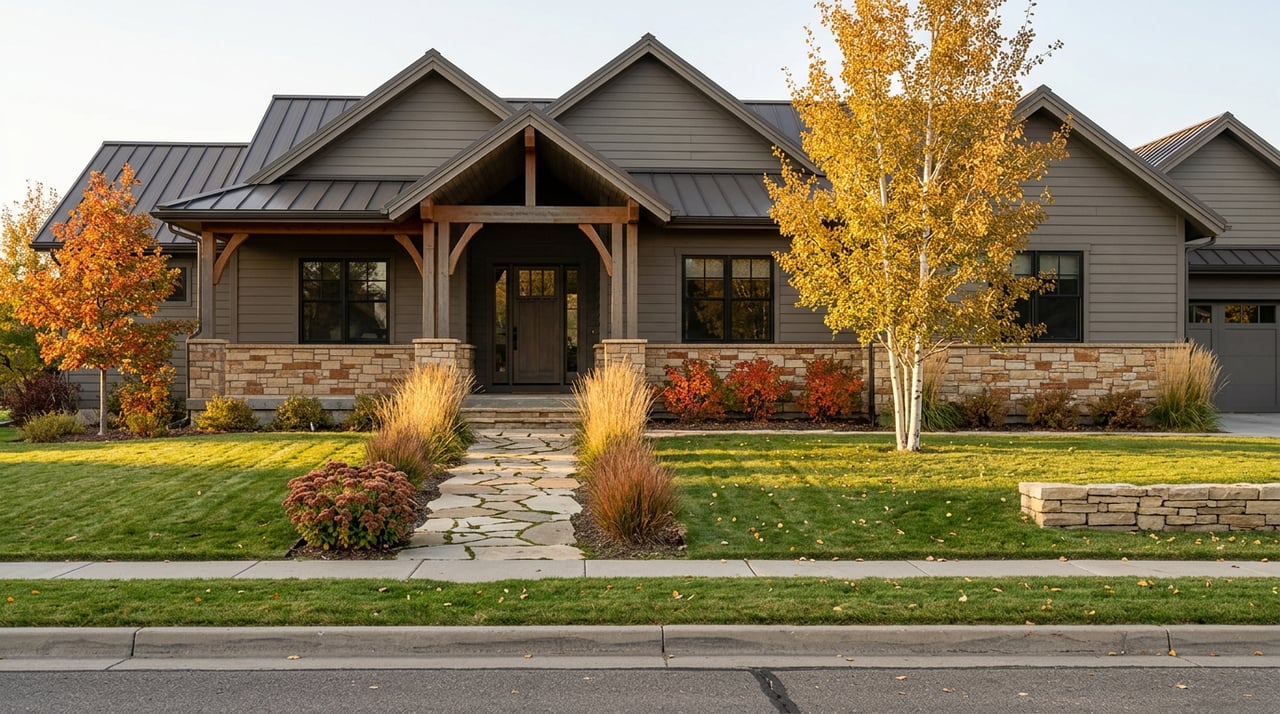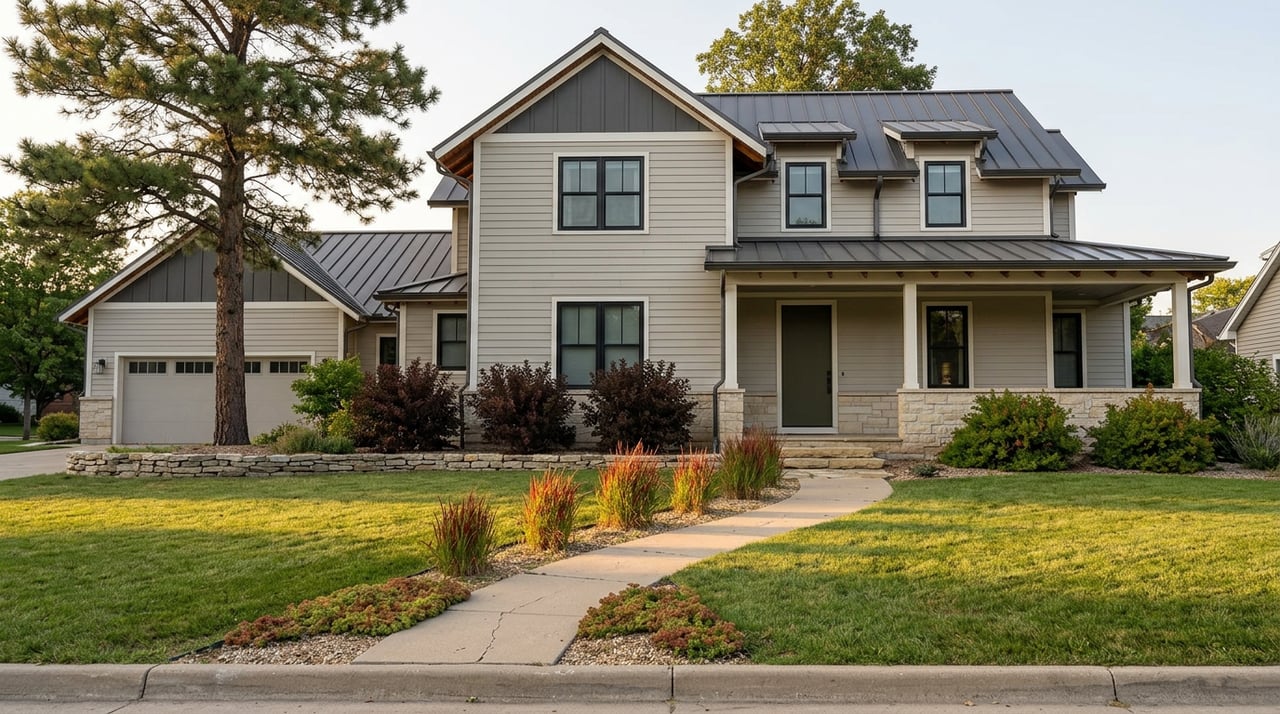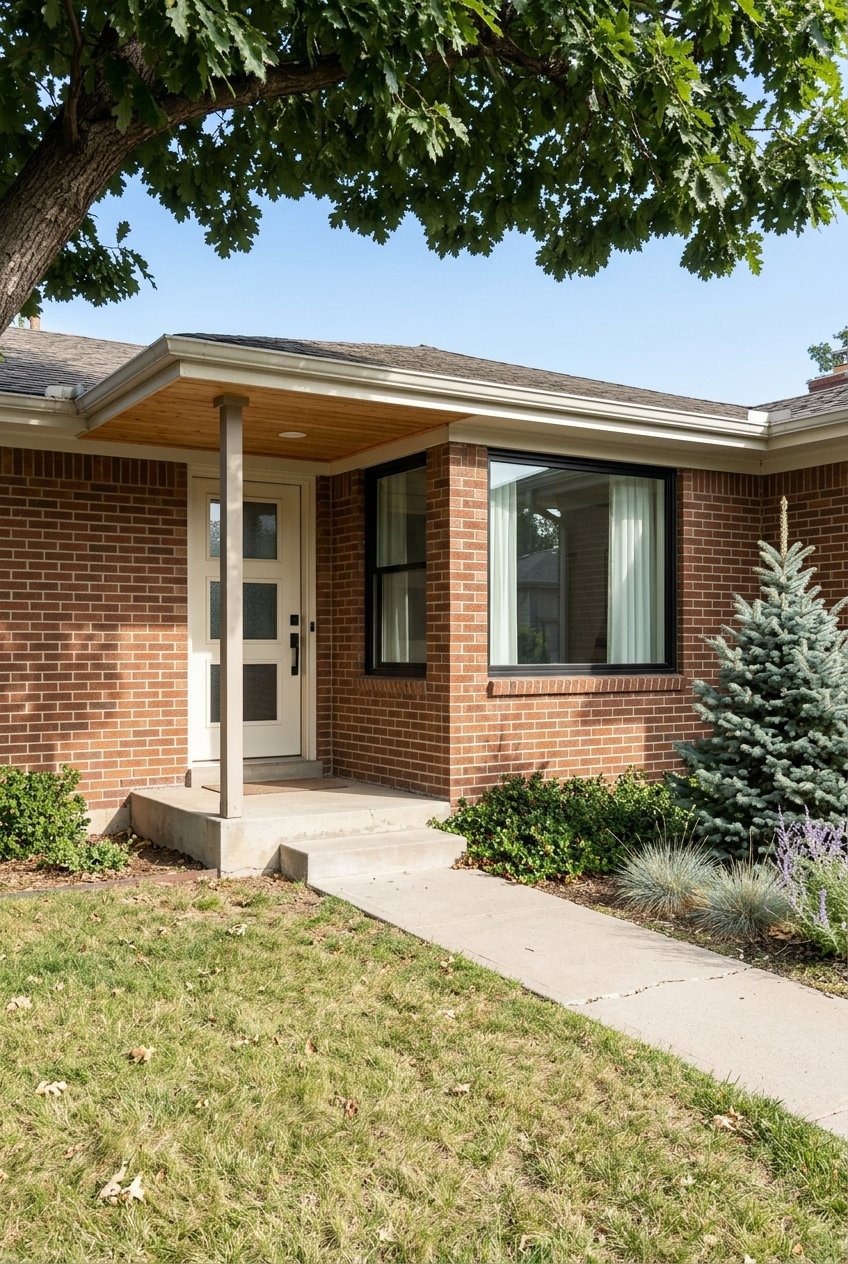
Wondering whether an older home or a newer one makes more sense in Arvada? You are not alone. In a city with established neighborhoods, historic areas, and newer residential pockets, the choice often comes down to your budget, your lifestyle, and how much work you want to take on after closing. This guide will help you compare the real tradeoffs so you can make a confident decision in Arvada. Let’s dive in.
Why This Choice Matters in Arvada
Arvada gives you a wider mix of housing eras than many buyers expect. According to the U.S. Census Bureau’s Arvada quick facts, the city has a 75.3% owner-occupied rate, a median owner-occupied value of $632,600, and 87% of residents lived in the same home one year earlier. That points to a market where many neighborhoods feel established and owners tend to stay put.
The city’s housing needs assessment adds important context. It says Arvada’s housing stock is slightly older than Jefferson County overall, and about three quarters of the city’s homes were built before 2000. For a practical comparison, it makes sense to think of older homes as roughly pre-2000 and newer homes as 2000 and later.
That matters because Arvada still offers both ends of the spectrum. The same city can give you mature streetscapes and historic charm in one area, then newer-construction options with modern layouts in another.
Older Homes in Arvada
Older homes in Arvada often attract buyers who care about character, established landscaping, and the feel of a neighborhood that has had time to mature. In many cases, you may also find renovation potential if you want to personalize a property over time.
That appeal is real, but so are the maintenance questions. The city’s housing needs assessment notes that homes built from 1950 to 1980 are more likely to need repairs tied to deferred maintenance or aging systems. If you buy an older home, you may need to budget sooner for updates rather than later.
What Buyers Often Like
Older homes can offer features that are hard to recreate in new construction. Depending on the property, that may include:
- More established streets and landscaping
- Distinct architecture or original design details
- Larger shade trees and a mature neighborhood feel
- Remodeling upside if you want to add value over time
Arvada’s investment in its urban forest also plays into this appeal. The city says trees are a major part of local infrastructure, and its Trees Across Arvada program offers low-cost deciduous trees that can add shade and may reduce summer utility bills.
What to Watch Closely
Older homes usually require more diligence during your search. Key areas to review include:
- Roof age
- Furnace and water heater age
- Electrical panel condition
- Window condition
- Sewer line history
- Whether past remodels were properly permitted
The city also notes that much of its older housing predates more recent accessibility standards for residential multifamily construction. That does not make an older home a poor choice, but it does mean you should think carefully about function, layout, and any future modifications you may want.
Lead Paint and Older Homes
If you are considering a home built before 1978, lead-based paint should be part of your due diligence. The EPA states that the older the home, the more likely it is to contain lead-based paint, and homes built before 1978 should be treated as potentially containing it. Federal rules also require disclosures for pre-1978 housing and lead-safe practices for regulated renovations.
For buyers, the takeaway is simple: ask questions early, review disclosures carefully, and understand what future renovation work may involve.
Newer Homes in Arvada
Newer homes usually appeal to buyers who want a more predictable ownership experience in the first few years. Many offer open layouts, newer systems, and less immediate maintenance. If your goal is convenience and efficiency, newer construction may feel easier from day one.
That does not mean every newer home is automatically better. Some buyers find that newer homes trade away the architectural personality or mature setting they want. In Arvada, this is often the core choice: character and established surroundings versus efficiency and lower early maintenance.
What Buyers Often Like
Newer homes tend to line up well with today’s living preferences. Common advantages include:
- More modern floor plans
- Better insulation and comfort
- Newer mechanical systems
- Lower near-term repair risk
- Potential builder warranty coverage
Efficiency is a major part of the newer-home value story. ENERGY STAR certified new homes can deliver up to 30% energy savings versus typical new homes, and the U.S. Department of Energy notes that zero-energy-ready homes can be 40% to 50% more efficient than a typical new home through the same ENERGY STAR resource.
What to Ask Before You Buy
Even with a newer home, there are still important details to confirm. Ask about:
- Documented efficiency features
- Builder warranty terms and timelines
- Landscaping or irrigation that still needs completion
- Cosmetic items that may need attention after move-in
- Future rules for additions or exterior changes
A newer home can reduce surprises, but it is still smart to understand exactly what was built in and what may still become your responsibility.
Historic Areas Need Extra Review
If you love the idea of an older home in a historic part of Arvada, be sure to look beyond the house itself. The city describes Olde Town as a link to Arvada’s heritage, culture, past, and future, with a pedestrian-oriented mix of single-family, retail, office, and mixed-use buildings. It also notes that many modifications require a Certificate of Compliance before construction.
Reno Park has similar considerations. The city’s guidelines preserve features like smaller lots, front setbacks, landscaped front yards, and alley-loaded garages, and most buildings there were built in the 1800s.
For buyers, that means renovation flexibility may be more limited than expected. If you are thinking about changing exterior materials, adding on, or restoring a historic property, verify what reviews or approvals may apply before you commit.
Permits Matter in Arvada
Whether you buy old or new, permit history matters. Arvada requires permits for many home-improvement projects, and the city says a contractor working in Arvada must have a contractor’s license. The city’s building permit guidance also notes that it currently uses the 2018 International Codes with amendments and is working toward alignment with the 2024 codes.
This matters in two ways. First, if an older home has been remodeled, you want to know whether the work was properly permitted and signed off. Second, if you plan to make changes after closing, you want a clear picture of what approvals may be required.
Energy Efficiency Is Not Just a New-Home Benefit
Newer homes often start ahead on efficiency, but older homes are not stuck there. Arvada’s Energy Action Plan encourages homeowners to focus first on efficiency upgrades and to consider heat pump technology when replacing a furnace, air conditioner, or water heater. The city also points residents to Xcel programs for Home Energy Squad services, insulation and air sealing rebates, and heat pump incentives.
That is good news if you prefer an older home but worry about utility costs. In many cases, strategic upgrades can narrow the gap between an older property and a newer one over time.
Older vs. Newer at a Glance
| Factor | Older Homes in Arvada | Newer Homes in Arvada |
|---|---|---|
| Neighborhood feel | More established streets and mature landscaping | More recently developed surroundings |
| Style | More character and variation | More modern layouts and finishes |
| Maintenance | Higher chance of deferred maintenance | Lower immediate repair risk |
| Efficiency | May need upgrades to improve performance | Often starts from a stronger baseline |
| Renovation potential | Can offer value-add opportunities | Changes may still require permits and rules review |
| Historic review | Possible in areas like Olde Town or Reno Park | Less likely to involve historic district review |
Questions to Bring on a Tour
The right questions can help you compare homes clearly instead of relying on first impressions.
Older Home Questions
When touring pre-2000 homes, ask:
- When were the roof, furnace, water heater, windows, electrical panel, and sewer line last replaced?
- Were any remodels permitted and finalized?
- Is the home in Olde Town, Reno Park, or another area with design guidelines?
- Has the seller provided lead disclosures or testing information?
- What maintenance items are likely in the first one to three years?
Newer Home Questions
When touring newer construction, ask:
- What energy-efficiency features are documented?
- Are there ENERGY STAR or other high-performance features?
- What does the builder warranty cover, and for how long?
- What near-term items may still need attention, like landscaping or irrigation?
- If you want to change the exterior later, what permits or setback rules apply?
How to Decide Which Fits You Best
In Arvada, this decision is usually less about which era is better and more about which ownership experience fits your priorities. If you value charm, mature streets, and the chance to improve a home over time, an older property may be the right fit. If you want efficiency, modern design, and fewer near-term maintenance projects, a newer home may feel like the better match.
A smart home search starts with being honest about your time, budget, and tolerance for updates. If you want help weighing specific homes in Arvada, Lydia’s Home Team can help you compare options, ask the right questions, and move forward with a clear plan.
FAQs
What counts as an older home in Arvada?
- In this guide, older generally means homes built before 2000, based on Arvada’s housing stock and the city’s housing needs assessment.
Are older homes in Arvada more likely to need repairs?
- Often, yes. Arvada’s housing needs assessment says homes built from 1950 to 1980 are more likely to need repairs related to deferred maintenance or failing systems.
Do newer homes in Arvada usually have better energy efficiency?
- In many cases, yes. Newer homes often start from a stronger efficiency baseline, and ENERGY STAR certified new homes can deliver up to 30% energy savings versus typical new homes.
What should I know about lead paint in older Arvada homes?
- If a home was built before 1978, the EPA says it should be treated as potentially containing lead-based paint, and federal disclosure rules apply.
Can historic district rules affect renovations in Arvada?
- Yes. In areas like Olde Town and Reno Park, some projects may require a Certificate of Compliance or additional design review before work begins.
Do I need to check permits when buying a home in Arvada?
- Yes. Permit history matters for both older and newer homes, especially if the property has been remodeled or if you plan to make changes after closing.