Thinking about a duplex or fourplex in Longmont but not sure where to start? You want steady income, smart financing, and clear numbers before you write an offer. In this guide, you will see current rent ranges, typical expenses, financing paths for 2–4 units, and local rules that affect returns. Let’s dive in.
Why Longmont works for small investors
Longmont sits on the Front Range with access to Boulder and Denver, a growing employer base, and reliable renter demand. The city has about 99,818 residents with a median household income near $90,671 and a median owner value around $572,800, according to the latest Census QuickFacts summary. You can review those local anchors directly in the Census profile for Longmont.
- See the data: Census QuickFacts for Longmont
- Employer momentum: The state reports expansions like Stored Energy Systems in 2025, a signal of ongoing job growth that supports rental demand. Read the state’s update on that expansion here.
Typical for-sale prices in late 2025 and early 2026 have hovered in the low to mid 500s for Longmont, with variation by neighborhood. That is a lower entry point than many Boulder addresses, which matters when you compare cash-on-cash returns.
Duplex vs single-family returns
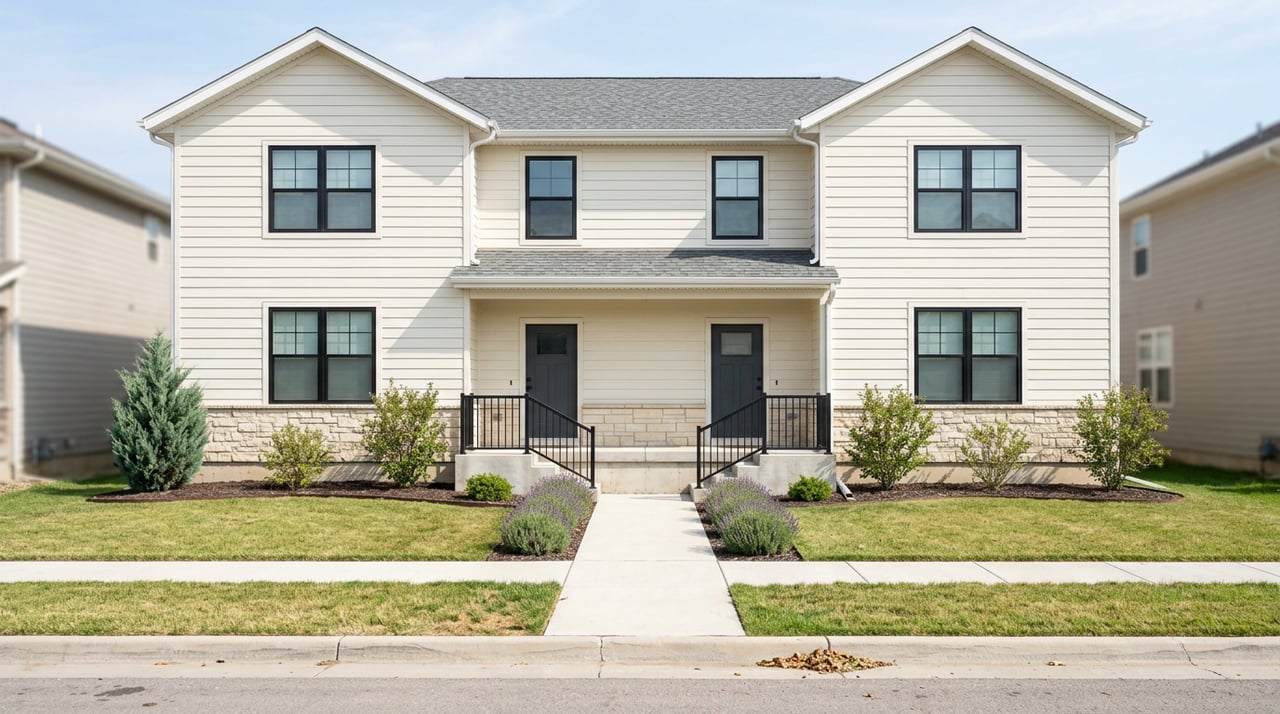
Small multifamily (2–4 units) usually produces higher total rent per property than a single-family rental, since you collect multiple rents on one lot. That can improve gross yield and spread vacancy risk across units. In Longmont, many 2–4 unit trades have occurred in the low to mid six hundreds, with per-unit rents that often outpace single-family yields in the same price band. Cap rates also tend to be modestly higher than in Boulder, where institutional demand often compresses yields.
- Market perspective on cap rates and pricing pressure: Regional commentary on Boulder vs nearby submarkets
Rents and unit mix in Longmont
Citywide rent indices vary by source and sampling, but they cluster in a similar band. In early 2026, many sources placed typical all-bed rents around the mid 1,000s.
- Current snapshot: Zumper’s Longmont rent research
What this means for you:
- 1-bedroom units often range around $1,350 to $1,625.
- 2-bedroom units often range around $1,535 to $1,937.
- Whole-house rentals and well-located duplex units can command higher rents than large apartment comps, especially with private entries, parking, and yard space.
Use active listings and recent leases to size rents for a specific property. For underwriting, base case numbers should be conservative and backed by comps.
Expenses to budget accurately
Your operating budget drives real returns. Plan for the following line items and build in cushions for older buildings.
- Property taxes. Colorado’s assessment rates and local mill levies determine the bill. Boulder County explains how taxes are calculated and how to estimate a parcel’s burden. Review the county guide to model your hold costs: Boulder County tax calculation overview.
- Insurance. Colorado insurance costs have risen faster than national averages in recent years, and wildfire exposure can affect premiums and requirements. Get quotes early and assume increases at renewal. See market trend context from Cherry Creek Perspective.
- Utilities. Clarify which are owner-paid versus tenant-paid. Older duplexes that share systems may increase owner-paid utility exposure.
- Maintenance and turns. Budget for routine fixes, seasonal landscaping or snow removal, and make-ready costs between tenants.
- Property management. Local guides suggest 7 to 12 percent of collected rent for small multifamily, depending on scope.
- Capital expenditures. Roof, HVAC, plumbing, electrical, and parking surfaces. Set aside reserves from day one.
Vacancy planning and cap rate context
Vacancy varies by property type, location, and delivery cycles. For baseline modeling, a conservative 5 to 8 percent vacancy assumption is reasonable unless you have stronger local comps to the contrary. On yields, Boulder has historically shown lower cap rates due to heavier demand, while Longmont and nearby suburbs typically offer modestly higher entry yields. Confirm actual caps with current comps, since condition and financing terms move the needle. For background, see the regional perspective on Boulder’s yield compression vs. surrounding areas in this market commentary.
A quick pro forma example
Here is a simple illustration to show how the mechanics work. This is not a quote, just a framework.
- Example duplex price: $700,000
- Total monthly rent: $3,200 (two units at $1,600 each)
- Vacancy: 6 percent
- Operating expenses: 45 percent of effective gross income
Math:
- Gross annual rent: $3,200 × 12 = $38,400
- Vacancy: 6 percent = $2,304, so effective gross income ≈ $36,096
- Operating expenses: 45 percent of EGI ≈ $16,243
- Net Operating Income (NOI): ≈ $19,853
- Implied cap rate: NOI ÷ Price ≈ $19,853 ÷ $700,000 ≈ 2.8 percent
Small changes move results a lot. If rents are higher, expenses lower, or purchase price sharper, your cash flow shifts quickly. Always test multiple scenarios before offering.
Financing options for 2–4 units
Your loan choice can make or break the deal. Owner-occupant programs are powerful for house-hacking, while investor products are designed for non‑occupants.
Owner-occupied routes
- FHA for 2–4 units. FHA insures loans on 1–4 unit properties when you live in one unit as your primary residence. Minimum down can be as low as 3.5 percent. For triplexes and fourplexes, FHA applies a self-sufficiency test on rental income. Duplexes are treated more flexibly. Review FHA’s annual limits and program guidance, and confirm lender interpretation upfront. Start with HUD’s update on forward mortgage limits: HUD mortgage limits and policy update.
- Conventional owner-occupied (Fannie/Freddie). Many lenders now offer low-down-payment options for owner-occupied 2–4 units under programs like HomeReady and Home Possible. These routes avoid FHA’s self-sufficiency test. Loan limits and reserve requirements vary, so confirm with your lender. Check the current conforming limits here: Fannie Mae loan limits page.
Investor and DSCR products
- Conventional investor loans. Expect larger down payments and higher pricing adjustments compared with owner-occupied loans, plus stronger reserve and credit standards.
- DSCR and portfolio loans. These loans underwrite to the property’s income rather than your personal income. They can be faster and more flexible, though rates and fees are often higher. For a local market overview that includes DSCR context, see this Front Range finance trends note.
Using rental income in underwriting
Lenders typically use the lower of in-place leases or appraiser-reported market rent and then apply a haircut, often 75 percent, to account for vacancy and expenses. For FHA 3–4 units, the self-sufficiency test must pass for the loan to work. Ask your lender exactly how they will treat projected rents and what documentation they need before you submit an offer.
Local rules to know in Longmont
Local regulations can help or hurt your plan if you do not plan ahead. Longmont provides clear guidance on permits and inspections.
- ADUs. Longmont has an established ADU application process. If zoning allows, an ADU can add a legal rental to a property you already own or plan to buy. Review process steps and checklists on the city’s development page: Longmont development applications and permits.
- Short-term rentals. Longmont issues annual STR permits and requires inspections, with specific rules for owner-occupied dwellings and ADUs. Read the city’s STR update and permit details: Short-term rental permits overview.
- Property taxes. Use Boulder County’s calculator method to estimate taxes for a specific parcel based on assessed value and mill levies. Reference: Boulder County tax calculation.
- Insurance. Obtain quotes early and plan for possible mitigation requests, especially for older roofs or properties near wildfire zones. Market commentary on rising premiums: Cherry Creek Perspective.
Your step-by-step plan to buy in Longmont
Follow a simple, repeatable process to reduce risk and move fast when the right duplex or fourplex appears.
Get local comps and rent rolls. Ask your agent for recently closed 2–4 unit comps in Longmont and rent rolls for similar units. Validate list pricing against actual income performance.
Build three pro formas. Model conservative, base, and optimistic cases. Vary vacancy between 2 and 8 percent, expenses between 35 and 55 percent of effective rent, and rent growth between 0 and 4 percent. Use real lender quotes for the mortgage line. FHA policy details and annual limits are updated by HUD here: HUD mortgage limits.
Pre-approve the right loan. If you plan to occupy a unit, compare FHA vs conventional owner-occupied options early. Conventional routes can avoid FHA’s 3–4 unit self-sufficiency test, which helps some properties pencil. Check current conforming limits: Fannie Mae loan limits.
Inspect and verify insurance and taxes. Order a general inspection, scope sewer lines if the property is older, and obtain multiple insurance quotes. Estimate the exact tax burden for the parcel using the county model: Boulder County tax calculation.
Line up management. If you will not self-manage, interview local managers, ask for references, and confirm fees, leasing processes, and average days to lease. Plan for 7 to 12 percent of collected rent for ongoing management, plus leasing fees.
Avoid these common mistakes
- Underestimating insurance and taxes. Rising premiums and local mill levies can mute returns if you guess. Quote both before removing contingencies.
- Using top-of-market rents. Underwrite with conservative rent comps and assume downtime between tenants.
- Ignoring capital items. A roof, sewer repair, or panel upgrade can erase a year of cash flow. Reserve for big-ticket items from day one.
- Skipping loan-specific tests. FHA’s self-sufficiency rules for 3–4 units can sink a deal late. Have your lender run the numbers early.
- Overpaying for a value-add plan. If you plan to renovate and raise rents, verify that upgraded rents are realistic for the block and unit type.
Final thoughts
Longmont offers a compelling blend of rental demand, relative affordability compared with Boulder, and flexible financing options for 2–4 units. If you build a conservative pro forma, confirm your loan path, and respect local rules, a duplex or small multifamily can be a practical way to enter or expand in the Front Range market.
If you want local comps, a underwrite-ready rent survey, and introductions to lenders and managers, reach out to Lydia’s Home Team. We guide you through each step so you can invest with confidence.
FAQs
What are typical Longmont duplex rents in 2026?
- Citywide indices show many 1-bedroom units around $1,350 to $1,625 and 2-bedroom units around $1,535 to $1,937, with whole-house and well-located duplex units often higher; see Zumper’s Longmont rent research.
How do property taxes work for Longmont rentals?
- Taxes are based on Colorado’s assessed value and local mill levies; Boulder County explains the calculation method so you can estimate a parcel’s tax bill: Boulder County tax calculation.
Are short-term rentals allowed for Longmont duplexes?
- Yes, with permits and inspections under city rules; read the city’s guidance and confirm whether owner-occupancy or ADU rules apply to your property: Short-term rental permits overview.
What financing options exist for an owner-occupied duplex?
- FHA can allow as little as 3.5 percent down on 2–4 units you occupy, and conventional owner-occupied programs may allow low down payments without FHA’s 3–4 unit self-sufficiency test; review HUD mortgage limits and Fannie Mae loan limits.
What is a reasonable property management fee in Longmont?
- Many small-multifamily managers charge about 7 to 12 percent of collected rent, with separate leasing fees; confirm exact services and vacancy averages during interviews.