If you want a home that keeps your commute flexible without giving up space, Denver townhomes near light rail are worth a close look. For many buyers, the appeal is simple: you get a more urban, lower-maintenance lifestyle with better access to rail, downtown shuttles, and regional transit. The key is knowing that not every transit-adjacent townhome offers the same experience, and the details matter more than you might think. Let’s dive in.
Why Denver transit-oriented townhomes stand out
Denver’s transit-oriented development pattern has helped make attached homes near rail stations especially appealing. RTD defines transit-oriented development as higher-density development within a five- to ten-minute walk of transit, and it connects that pattern to shorter commutes, lower car dependence, and stronger land values.
That trend is not small. According to RTD, since 2005, 68% of new office development and 44% of new housing in Metro Denver has been built within one-half mile of an RTD station. If you are shopping for a townhome near transit, you are looking at a part of the market that has seen real long-term planning and investment.
For many buyers, this setup supports a practical lifestyle. You may be able to walk to a station, use downtown connectors, or combine biking and transit more easily than you could in a more car-dependent area.
Why exact transit access matters
One of the biggest mistakes buyers make is assuming “near light rail” always means the same thing. In Denver, value and convenience often depend on the exact corridor, current service pattern, and how you actually plan to travel during the week.
That matters even more right now because RTD service has changed as older downtown rail assets are being repaired. As of the June 7, 2026 service changes, RTD temporarily reinstated the C Line to Denver Union Station, suspended the D, H, and L lines, and is relying in part on the 16th Street FreeRide and Free MetroRide to help maintain downtown connections.
So if a listing says it is close to a station, that is only the start. You will want to verify which line serves that station today, how often trains or buses run, and whether your route depends on a downtown transfer.
Transit corridors to watch in Denver
A Line access and airport connection
The A Line is one of the clearest examples of why corridor-specific access matters. RTD says the 23-mile line runs from Denver Union Station to Denver International Airport in about 37 minutes and operates every 15 minutes from Union Station during the day.
If your routine includes airport trips, downtown workdays, or travel tied to Union Station, living near the A Line can be especially useful. For relocators and frequent travelers, that connection can shape both convenience and long-term appeal.
W Line access for west-side commuting
The W Line runs from Union Station to Jefferson County Government Center-Golden and includes 15 stations. RTD also lists 4,166 parking spaces on the line, which makes it relevant if you expect to combine driving and rail for part of your commute.
If you are looking in west Denver or thinking about access toward Lakewood or Golden, the W Line may be more important than simply being “near downtown transit.” It offers a different pattern of movement and may fit your work and lifestyle better.
Flatiron Flyer for regional commuting
Not every useful transit-adjacent townhome is tied strictly to rail. The Flatiron Flyer connects Denver with Westminster, Broomfield, Louisville, Superior, and Boulder, and RTD describes it as frequent, reliable, and predictable bus rapid transit.
Stations along the corridor include parking, bike lockers, and bike racks. If your life spans multiple Front Range communities, a townhome near this corridor may offer the convenience you want even if it is not next to a traditional light rail platform.
Downtown connectors still matter
Inside downtown, the Free MetroRide links Union Station and Civic Center/Wade Blank Civic Center Station. RTD says the Free MetroRide runs about every 10 minutes during peak commute times, and the 16th Street FreeRide provides another free downtown connector.
These services can make a big difference if your townhome search focuses on downtown access rather than a single rail line. In some cases, an easy connection to a free shuttle can matter just as much as being directly next to tracks.
What Denver townhome buyers can expect
Denver’s townhome inventory covers a wide range of budgets and layouts. Current inventory data cited in the research report shows 795 townhouses in Denver with a median listing price of $625,000, about 51 days on market, and roughly one offer per home.
That range includes much more than one type of buyer. Current examples span from a 2-bedroom, 1-bath 810-square-foot unit at $250,000 to a 4-bedroom, 5-bath 3,979-square-foot half-duplex at $1.299 million.
For you, that means townhome living near transit is not just an entry-level option. It can also include newer urban infill, larger move-up properties, and more design-forward homes with extra space.
Features that often show up in newer infill
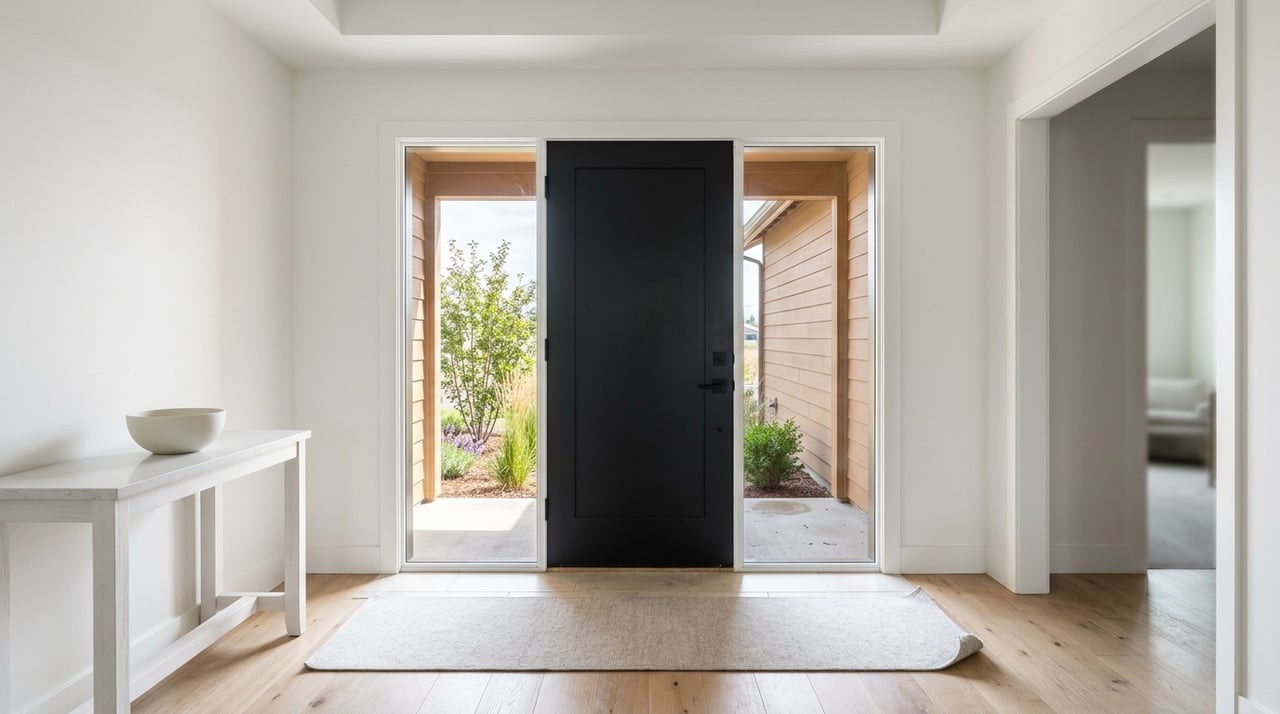
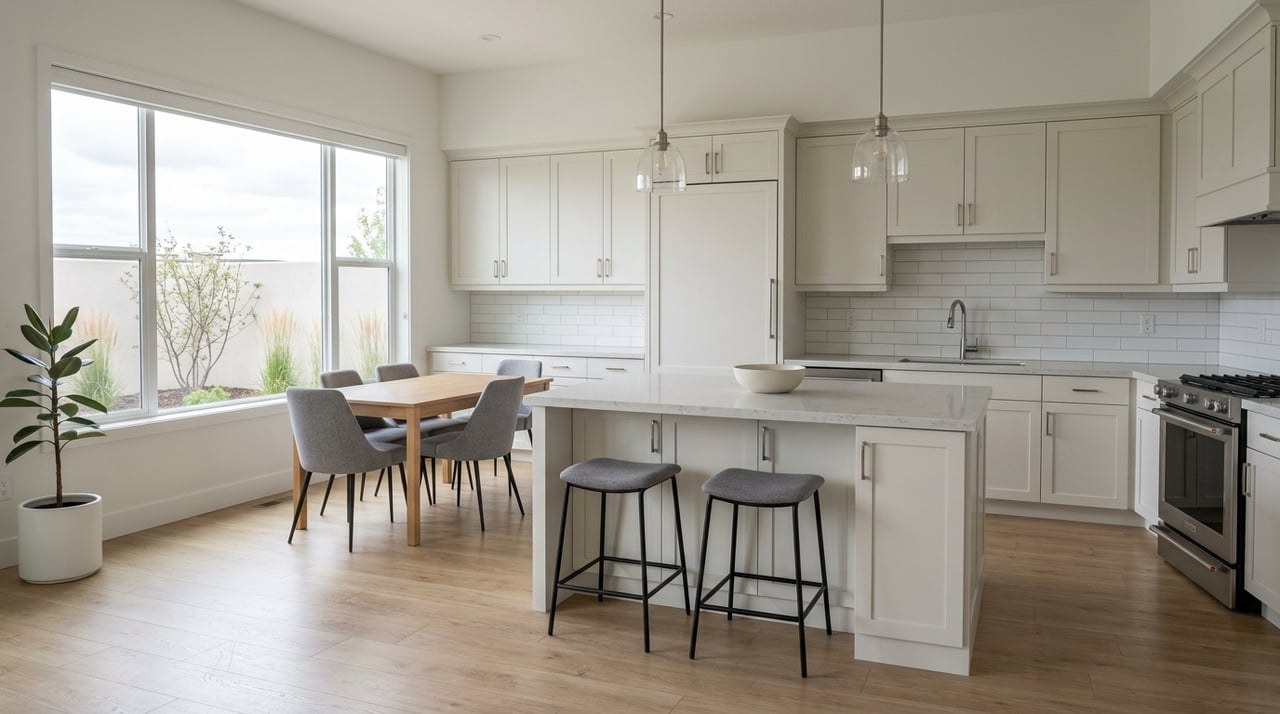
Many current Denver townhome listings point to a familiar set of features. Open main living levels, patios or rooftop decks, and attached garages are all common in newer infill inventory.
That said, you should avoid making assumptions from photos or neighborhood alone. Parking varies materially by property, and listings may include anything from a two-car garage to additional off-street parking, while others may offer less than buyers expect.
If parking matters to your day-to-day routine, confirm it property by property. This is especially important if you want a lock-and-go lifestyle but still need reliable space for vehicles, bikes, or visiting guests.
The tradeoff: convenience versus control
The biggest advantage of a transit-oriented townhome is convenience. You may get a lower-maintenance home, easier access to commuting options, and a setup that feels more flexible for travel, work, and daily errands.
The tradeoff is that you usually give up some control compared with a detached home. Shared walls, HOA rules, common-area decisions, and parking limitations can all affect your experience.
That does not mean a townhome is the wrong choice. It just means the best purchase is the one where the lifestyle benefits clearly outweigh those constraints for you.
HOA details you should review closely
Many Denver townhomes near transit are part of an HOA or another common-interest structure. Colorado’s Division of Real Estate says regular dues commonly fund operations, maintenance, reserves, and sometimes insurance and legal costs.
The same state guidance notes that special assessments can be used for major repairs, replacement, or new construction. In plain terms, a low-maintenance setup may still come with future costs, so it is smart to review the financial side early.
Colorado also advises buyers to review the documents listed in Section 7 of the Colorado Contract to Buy and Sell. Those documents can include governing and financial materials, meeting minutes, and available financial statements.
Questions to ask about an HOA
Before you move forward on a townhome, make sure you understand how the community operates. Colorado’s HOA Information Center emphasizes that there is no general regulatory oversight of HOAs, which makes your own due diligence especially important.
Start with questions like these:
- Who is the community association manager?
- What do monthly dues cover?
- How strong are the reserves and budgets?
- Who handles maintenance and landscaping?
- Have there been recent or upcoming special assessments?
- Are there restrictions that affect your plans for pets, parking, or exterior changes?
Colorado guidance also notes that covenants can restrict things like exterior paint colors, pets in condos, and commercial vehicles. If you want a simple, low-maintenance home, that structure may feel helpful. If you want more flexibility, those same rules may feel limiting.
Insurance and shared responsibility
Another area buyers sometimes overlook is insurance. Colorado’s Division of Real Estate says HOA associations must maintain property insurance on the common elements, including broad-form covered causes of loss and commercial general liability insurance.
That does not mean every insurance question is handled for you. It means you should understand where the HOA’s responsibility ends and your own coverage begins before closing.
This is one more reason townhome buying near transit works best when you look beyond location alone. The home, the association, and the transit connection all need to fit together.
How Denver planning affects townhome choices
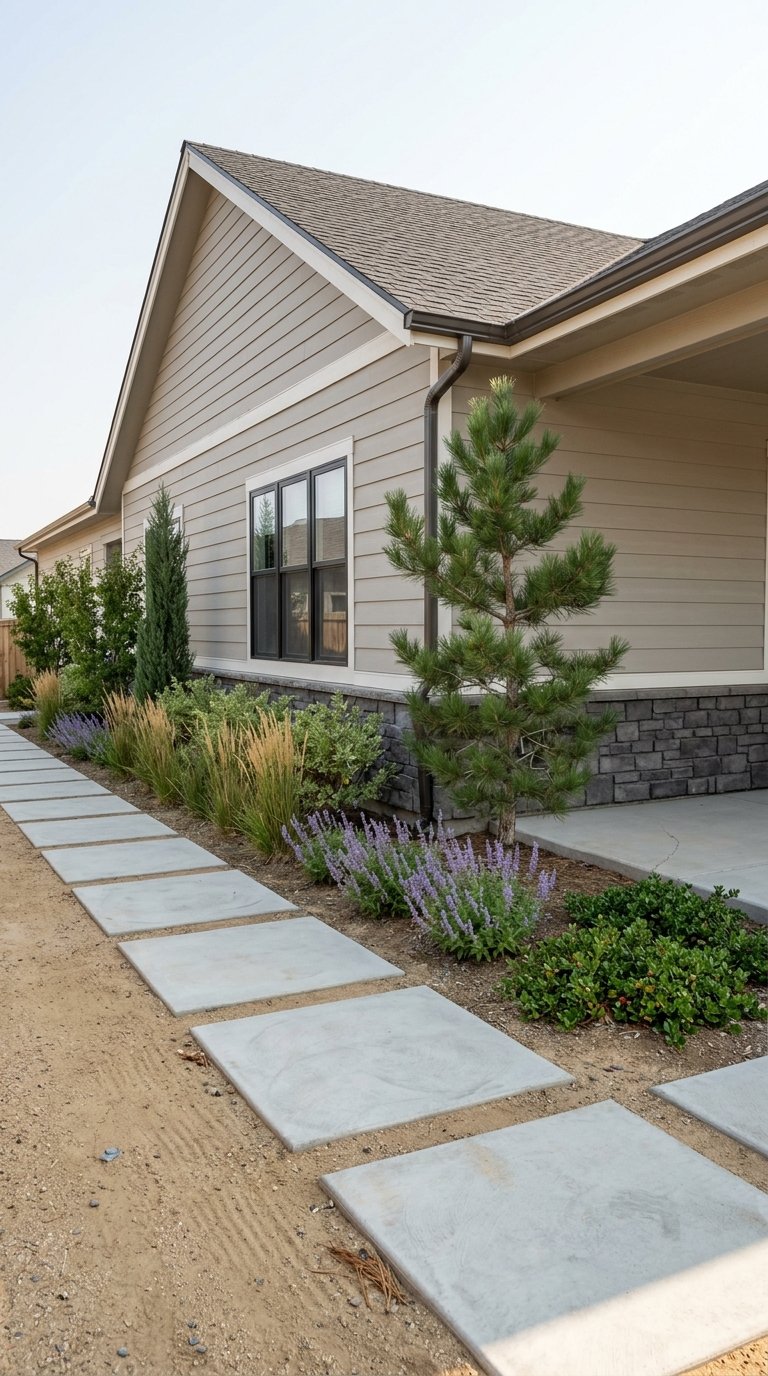
Denver’s zoning code recognizes attached forms such as town house and row house in several districts. The city also uses discretionary standards in design-review districts to help keep new construction compatible with its context.
That matters because not all infill feels the same on the ground. Blueprint Denver notes that some recent infill has been out of scale with older neighborhoods, especially in massing and scale.
For buyers, this is a reminder to evaluate both the home and its surroundings carefully. A townhome may offer great interior finishes and transit access, but the broader streetscape and fit with the block still shape how the property feels over time.
How to shop smarter near transit
If you are serious about Denver townhome living near light rail, a little structure can help you avoid surprises. Focus on how you actually live, not just what sounds convenient in a listing description.
Use this checklist as you narrow your options:
- Verify the exact RTD line or transit service nearby
- Confirm current service status and downtown connections
- Time the walk from the home to the station or stop
- Review parking details for that specific property
- Ask for HOA documents, budgets, and meeting minutes
- Check what dues cover and whether special assessments are possible
- Compare layout, storage, and outdoor space with your daily needs
- Consider whether your routine fits rail, bus rapid transit, shuttle service, or a mix
The right townhome is usually the one that works in real life on a Tuesday morning, not just during a Saturday showing.
Finding the right fit in Denver
Denver townhome living near light rail can be a smart option if you want flexibility, lower exterior maintenance, and stronger access to the places you go most. The opportunity is real, but so is the need for careful review of transit service, parking, HOA structure, and the specific corridor you are buying into.
If you want help comparing townhome options, understanding Denver transit-access tradeoffs, or narrowing the right fit for your budget and routine, Lydia’s Home Team is here to guide you with a practical, local approach.
FAQs
What does transit-oriented development mean for Denver townhome buyers?
- RTD defines transit-oriented development as higher-density development within a five- to ten-minute walk of transit, which can support shorter commutes, lower car dependence, and stronger long-term appeal.
What should Denver buyers know about current light rail service changes?
- As of RTD’s June 7, 2026 service changes, the C Line was temporarily reinstated to Union Station, the D, H, and L lines were suspended, and some downtown connections rely more on the FreeRide and Free MetroRide services.
What is the typical price range for Denver townhomes?
- Current Denver inventory in the research report ranges from about $250,000 for a smaller 2-bedroom unit to about $1.299 million for a much larger half-duplex, with a median listing price of $625,000.
What HOA costs should Denver townhome buyers review?
- Colorado’s Division of Real Estate says dues commonly cover operations, maintenance, reserves, and sometimes insurance and legal costs, while special assessments may be used for major repairs, replacement, or new construction.
What transit corridors are most important for Denver attached-home buyers?
- The research report highlights the A Line, W Line, and Flatiron Flyer as especially important corridors, plus downtown connectors like the Free MetroRide and 16th Street FreeRide.
What parking should Denver townhome buyers expect near light rail?
- Parking varies by property, so you should verify each home individually rather than assume that a transit-adjacent location includes a garage, off-street parking, or enough space for your needs.