Thinking about relocating to Arvada? You are not alone, and you are smart to look beyond listing photos first. When you move to a new city, the daily realities matter just as much as the home itself, from your commute to the neighborhood feel to the types of homes you will actually find. This guide will help you understand how Arvada is laid out, what different parts of the city offer, and how to narrow your search with more confidence. Let’s dive in.
Why Arvada draws relocators
Arvada is a northwest Denver suburb with more than 120,000 residents. Census QuickFacts show a July 1, 2024 population estimate of 121,873, a mean travel time to work of 26.6 minutes, a median household income of $113,396, an owner-occupied housing rate of 75.3 percent, and a median value of owner-occupied homes of $632,600.
Those numbers paint a useful picture if you are moving from out of area. Arvada reads as a largely owner-occupied suburban market with a typical metro commute pattern, not an ultra-close urban core and not an exurban outpost either. For many buyers, that balance is exactly the appeal.
What commuting in Arvada looks like
If commute time will shape your home search, Arvada gives you a mix of rail access and driving routes. Your experience can look very different depending on which part of the city you choose, so it helps to think in terms of direction first.
G Line rail access
Arvada’s transit story centers on RTD’s G Line. The city says the G Line connects Arvada to metro areas east, west, and south, with service extending all the way to DIA, and riders can access it from Arvada Ridge Station, Gold Strike Station, or Olde Town Hub/Plaza.
RTD describes the G Line as an 11.2-mile electric commuter rail line running from Denver Union Station to Wheat Ridge. For relocators, that means Arvada can work well if you want rail access into central Denver or a connection point for other regional destinations.
Three common commute patterns
Based on the city’s planning corridors, Arvada commutes tend to fall into three broad patterns:
- Eastbound commuting toward downtown Denver and Union Station transfers
- East-west travel through the New Town and I-70 corridor
- Northwest suburban driving and regional access through the Highway 93 and 72 corridor
This matters because a home that feels perfect on a map may function very differently during the week. If your routine depends on a rail stop, freeway access, or a park-and-ride option, the right Arvada neighborhood often becomes much clearer.
Where station access stands out
Olde Town Station is Arvada’s most prominent G Line stop and a major retail, mixed-use, and cultural destination. If you want an area with easy rail access plus nearby shops and restaurants, this is one of the city’s most recognizable hubs.
Arvada Ridge Station offers a different setup. The city describes it as easy to access for pedestrians and cyclists, and notes that it sits near single-family and multi-family housing. It is also an easy walk to Red Rocks Community College, which can be a useful orientation point for out-of-area buyers.
How Arvada neighborhoods compare
One of the biggest relocation mistakes is treating Arvada like one uniform suburb. It is not. Different parts of the city can feel historic and mixed-use, transit-oriented and evolving, or more master-planned and newer in character.
Olde Town and historic areas
If you want charm, a traditional downtown setting, and direct transit access, Olde Town is often the first place buyers compare. It is Arvada’s historic downtown district, with building types that range from single-family homes to retail, office, and mixed-use buildings.
The district is known for locally owned shops, restaurants, bars, and G Line access to downtown Denver and DIA. For buyers, that can mean a more walkable setting and more variety in the housing stock than you might expect in a suburban city.
Nearby, the Stocke-Walter Addition is an official single-family historic neighborhood. The city says it was platted in 1904 and 1920 and includes wood-framed homes with cottages, bungalows, and Queen Anne detailing. Reno Park is also an official historic district.
These areas can offer a lot of character, but there is an important practical detail. The city requires a Certificate of Compliance with Olde Town design guidelines for modifications or redevelopment in the historic district, so buyers should understand that design review may affect future projects.
Best fit for Olde Town-style living
Olde Town and nearby historic areas may appeal to you if you want:
- A more established setting
- Distinctive architecture rather than standardized floor plans
- Access to shops, dining, and rail nearby
- A neighborhood with a stronger historic identity
If you prefer a home that is more turnkey, newer, or part of a more uniform subdivision pattern, other parts of Arvada may fit better.
New Town and transit-oriented pockets
New Town is one of the city’s key planning areas and offers a different lens on Arvada. The sub-area is generally defined as the area along Wadsworth Boulevard and Bypass between the G Line tracks on the north and Interstate 70 on the south.
For relocators, this area is worth watching because it reflects Arvada’s future-oriented growth pattern. It creates a contrast to the older historic core and can be useful if you want access to major corridors, evolving development, and a more mixed housing environment.
Olde Town’s 2023 Strategic Reinvestment Plan also looks ahead with a 20-year vision and evaluates whether some street closures should remain in place to preserve the pedestrian experience. That tells you the city is actively planning how key areas will function over time, not just how they look today.
Arvada Ridge for access and variety
Arvada Ridge is another smart comparison point for remote buyers. The city describes the station area as easy for pedestrians and cyclists to access, with nearby single-family and multi-family housing.
That mix can be helpful if you are deciding between a detached home and an attached option, or if transit access is high on your list. It is one of the clearer examples of how Arvada can blend suburban housing with station-area convenience.
Northwest Arvada for newer homes
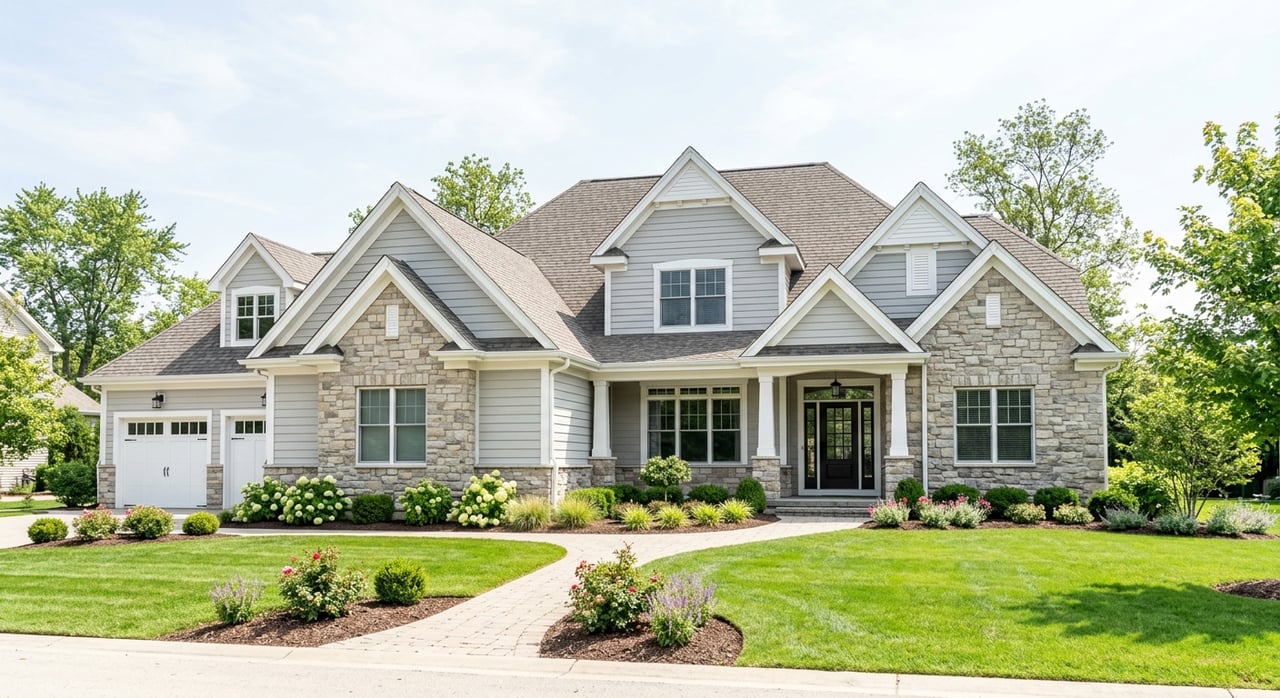
If your priority is newer construction, larger planned communities, or more room to spread out, Northwest Arvada often becomes the strongest contrast to Olde Town. Planning documents describe a mix of suburban, custom and semi-custom, traditional neighborhood design, low-maintenance age-targeted neighborhoods, and higher-density urban villages.
The same plan identifies Candelas, Whisper Creek, Mountain Shadows, Vauxmont, and Cimarron as major planned areas, with especially large residential counts in Candelas and Whisper Creek. In practical terms, this part of Arvada is where many buyers will see more land, more structured neighborhood planning, and more opportunities for newer homes.
Best fit for Northwest Arvada
Northwest Arvada may be worth a closer look if you want:
- Newer construction
- A master-planned or HOA-style setting
- More consistency in streetscape and home style
- Regional driving access through the Highway 93 and 72 corridor
For some relocators, this tradeoff is easy. You may give up some of the older, downtown-style fabric, but gain newer inventory and a broader range of subdivision layouts.
What home types you can expect
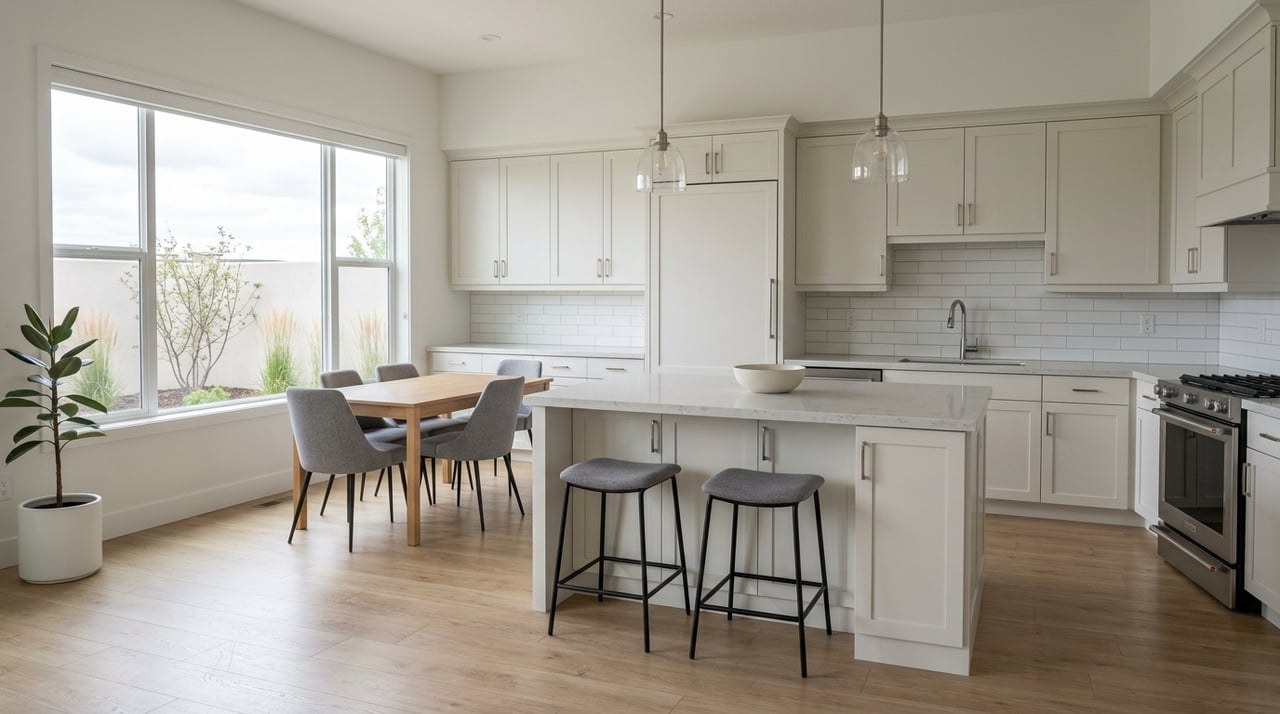
Arvada is still mostly a detached-home market, but it is not a one-product city. The housing stock gives buyers meaningful choices, which is helpful if you are trying to match your budget, commute, and lifestyle priorities.
The city’s consolidated housing plan reports that Arvada’s housing mix is 71 percent one-unit detached, 7 percent one-unit attached, 5 percent two-to-four units, 10 percent five-to-19 units, and 7 percent 20-or-more units. So while detached homes dominate, attached and multi-unit options are a real part of the market.
Common home formats in Arvada
Arvada’s land development code defines and allows a wide range of housing types, including:
- Single-family detached homes
- Zero-lot-line homes
- Duplexes
- Townhomes
- Multiplexes
- Clustered housing
- Multifamily buildings
- Live-work units in some districts
The zoning structure supports that variety. For example, R6 can include detached homes, duplexes, townhomes, multiplexes, cottages, micro-homes, or co-housing. R13 adds zero-lot-line homes and multifamily, and R24 allows even higher-density multifamily and live-work options.
What that means for your search
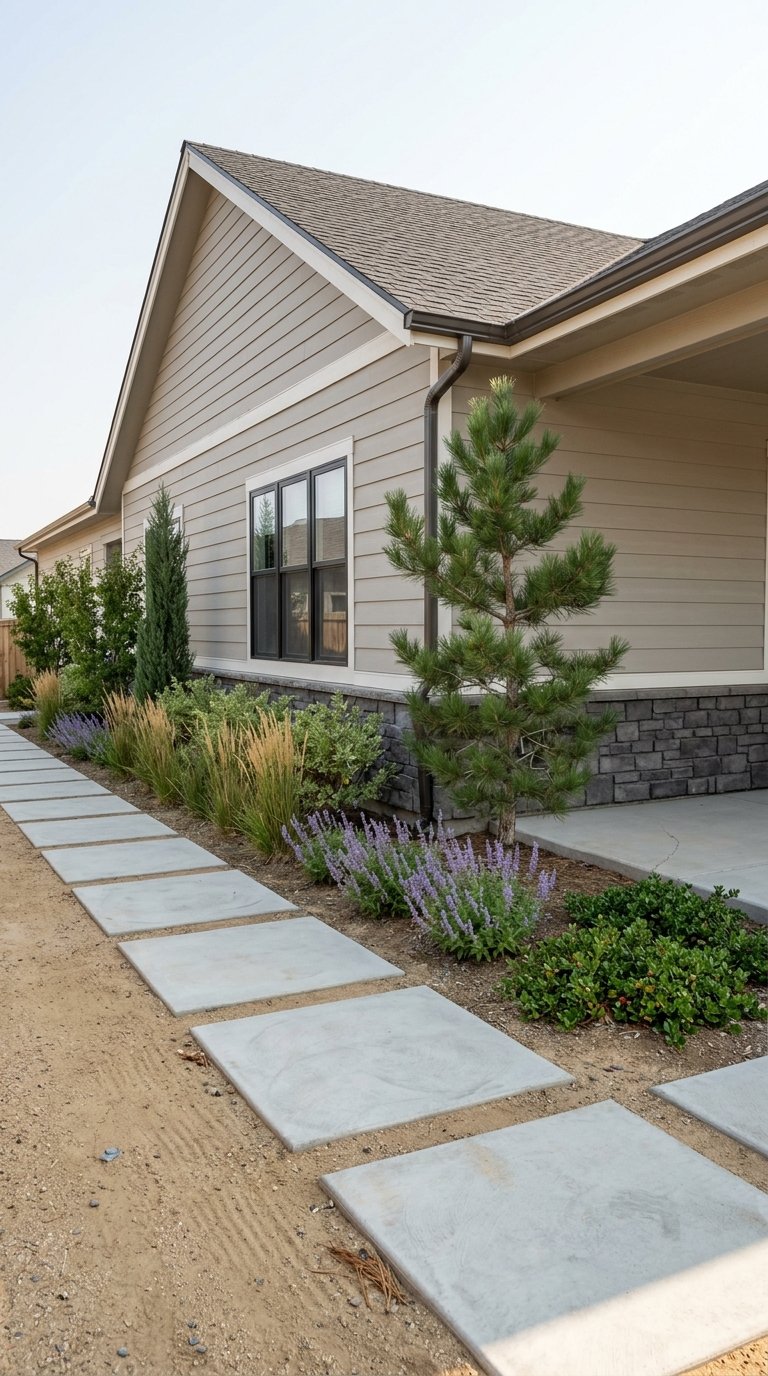
If you are relocating, this variety is good news. You can compare historic single-family homes near Olde Town, station-area townhomes near transit, and newer mixed-density neighborhoods in other parts of the city without leaving Arvada.
The city’s 2024 Housing Strategic Plan also says residents strongly value middle-class family housing, affordable starter homes, accessible housing, and housing forms such as duplexes, townhomes, and apartments along major roads. More than 75 percent of surveyed residents saw those forms as appropriate in Arvada, which supports the idea that the city’s housing mix is broadening over time.
How to narrow your search remotely
If you are moving from out of state or from another part of Colorado, you can do a surprising amount of homework before you ever tour a home. Arvada provides several city tools that can help you verify how a property fits your goals.
A smart remote search checklist
Before you book a visit, consider this workflow:
- Confirm the address and jurisdiction so you know which city records apply.
- Verify zoning through the city’s zoning resources or an official zoning verification request.
- Review permit history using the city’s permits site.
- Check for historic district or Olde Town guideline status if future updates matter to you.
- Compare transit access and likely commute direction based on your work and routine.
- Use neighborhood maps and local resources to understand neighborhood names and city layout.
This kind of prep can save time and help you avoid chasing homes that look right online but do not match your daily needs.
Permit and zoning details matter
The city notes that its maps and property search tools let users search by address or intersection for property and GIS data. The zoning page explains how to request official zoning verification, and the permits site provides historical permit documentation by address.
The city also notes that if a record does not show, there is most likely not a permit on record, and older records may appear in attachments under pre-2013 history permit numbers. If you are comparing remodeled older homes to newer construction, that detail can be especially useful.
Is Arvada the right fit for you?
Arvada works well for many relocators because it offers real range within one city. You can target a historic district, a station-area neighborhood, or a newer planned community while still staying connected to the broader Denver metro.
The best fit usually comes down to a few simple questions. Do you want G Line access or mostly drive? Do you prefer historic character or newer construction? Do you want a detached home, or would a townhome or condo better fit your budget and routine?
If you start there, your Arvada search gets much easier. Instead of searching the whole city at once, you can focus on the sections and home types that align with how you actually live.
If you are planning a move to Arvada and want local, practical guidance, Lydia’s Home Team can help you compare neighborhoods, commute options, and home types so you can move with clarity.
FAQs
What is the typical commute time for people living in Arvada?
- Census QuickFacts for Arvada show a mean travel time to work of 26.6 minutes.
Which Arvada areas are known for historic homes?
- Olde Town, Stocke-Walter Addition, and Reno Park are the city’s key historic areas mentioned in city resources.
Which Arvada neighborhoods have access to the G Line?
- Arvada Ridge Station, Gold Strike Station, and Olde Town Hub/Plaza are Arvada’s G Line access points.
What kinds of homes should buyers expect in Arvada?
- Buyers should expect mostly detached homes, along with townhomes, duplexes, multifamily housing, and other mixed-density options.
How can remote buyers research an Arvada property before visiting?
- Use the city’s property search, zoning verification resources, permit history tools, and neighborhood maps to confirm how a home fits your plans.