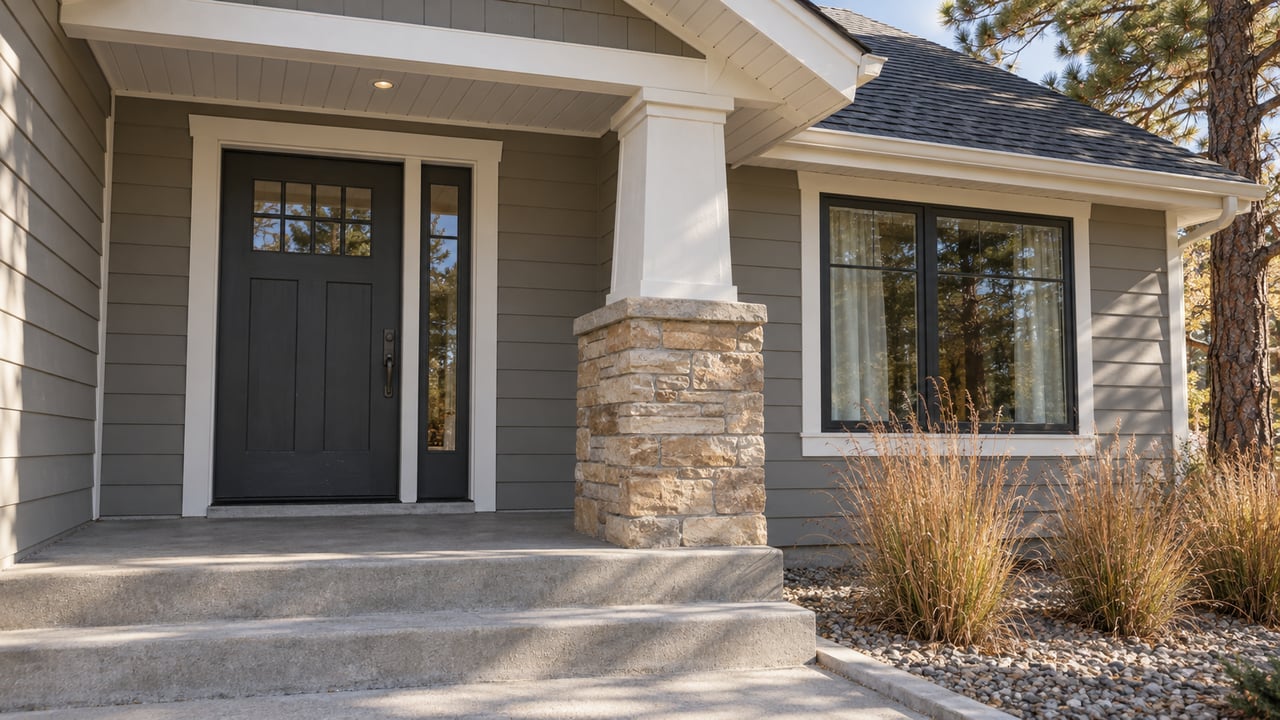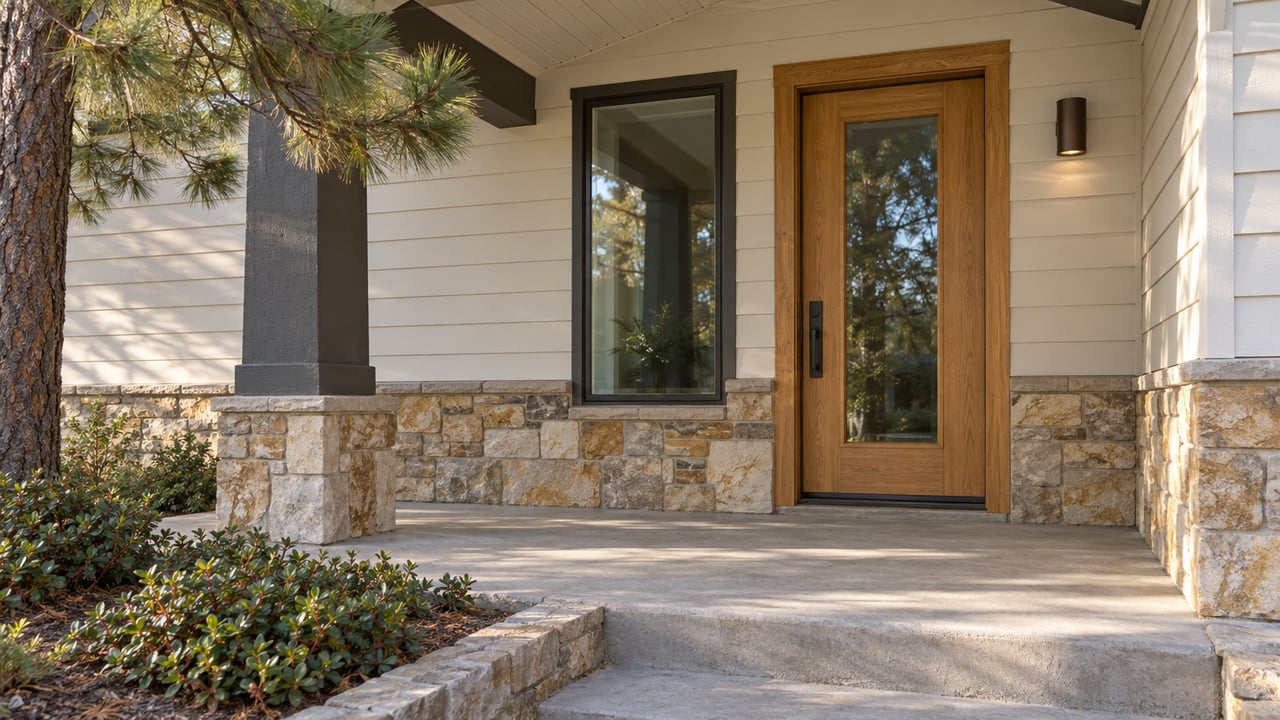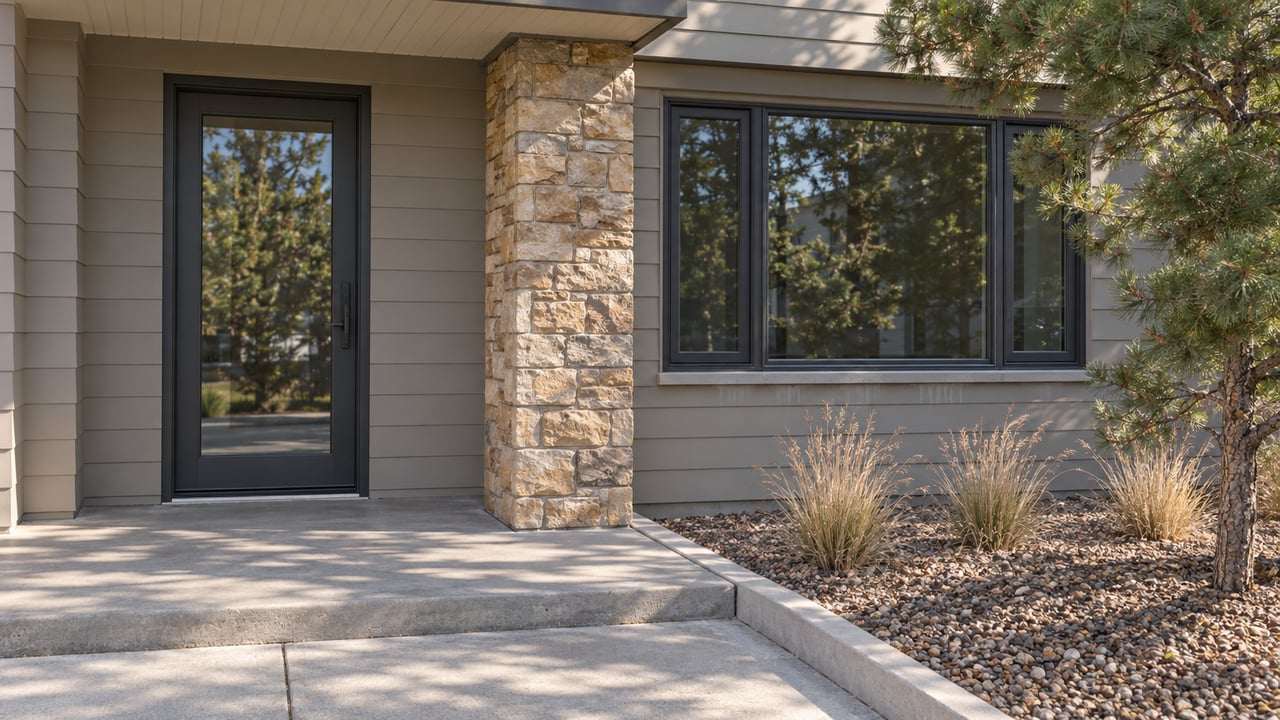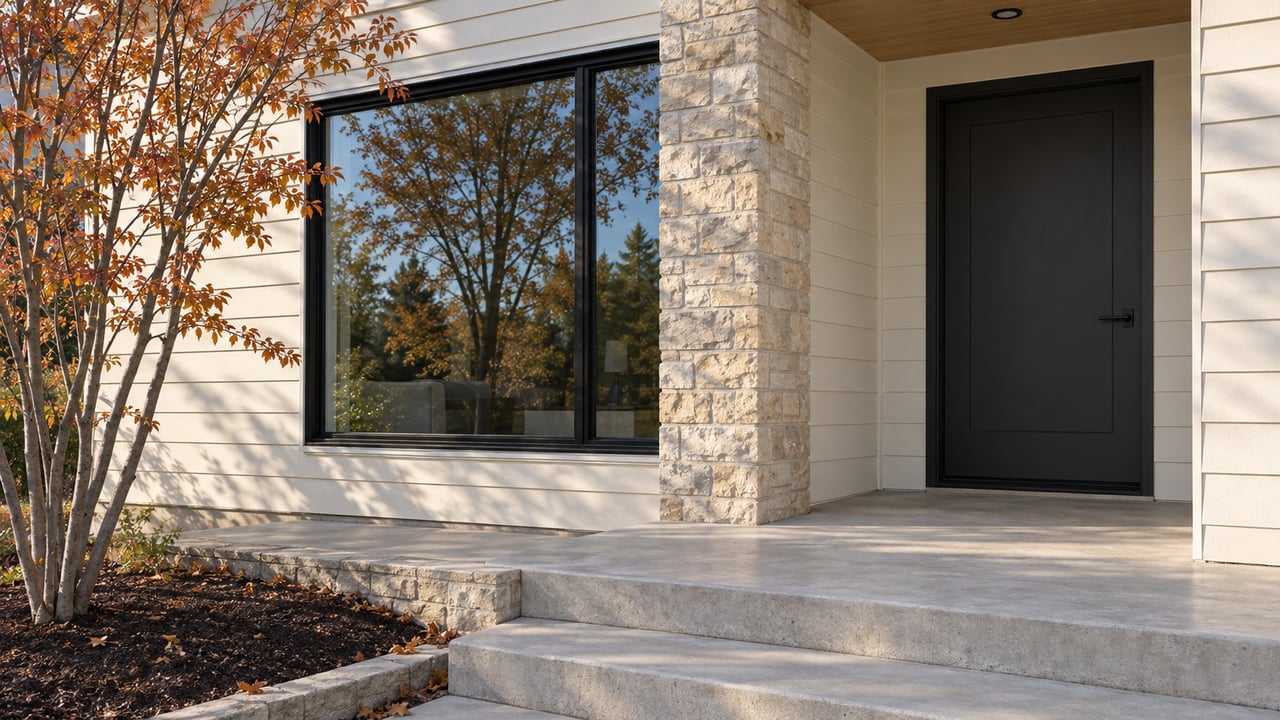
Ready to stop renting and buy your first place in Westminster? You have great options, but it can be hard to weigh condos, townhomes, and small single-family homes without a clear framework. Your choice should fit your budget, commute, and how much maintenance you want to handle. In this guide, you’ll compare the pros, cons, and costs of each option, plus financing tips and a quick checklist to shop with confidence. Let’s dive in.
Why Westminster works for first-time buyers
Westminster sits between Denver and Boulder with easy access to US-36, I-25, and Wadsworth. That central spot gives you multiple commute routes and transit choices. Service levels vary by location, so check RTD system maps to see bus and regional connections that match your routine.
You will find a mix of older ranch homes, attached townhomes, and condo communities, with new infill near retail and transit. Starter inventory often includes two or three-bedroom condos and townhomes, plus smaller detached homes around 1,000 to 1,600 square feet. For planning and neighborhood context, the City of Westminster shares updates on community services and development.
Market conditions shift with mortgage rates and inventory. Condos typically sell at lower prices than detached homes, with townhomes in the middle. For broader regional trends, review the Colorado Association of Realtors market trends.
What counts as a starter home here
- Condos: One to three bedrooms in multi-unit buildings. Shared entries and common areas. Often close to shops and transit.
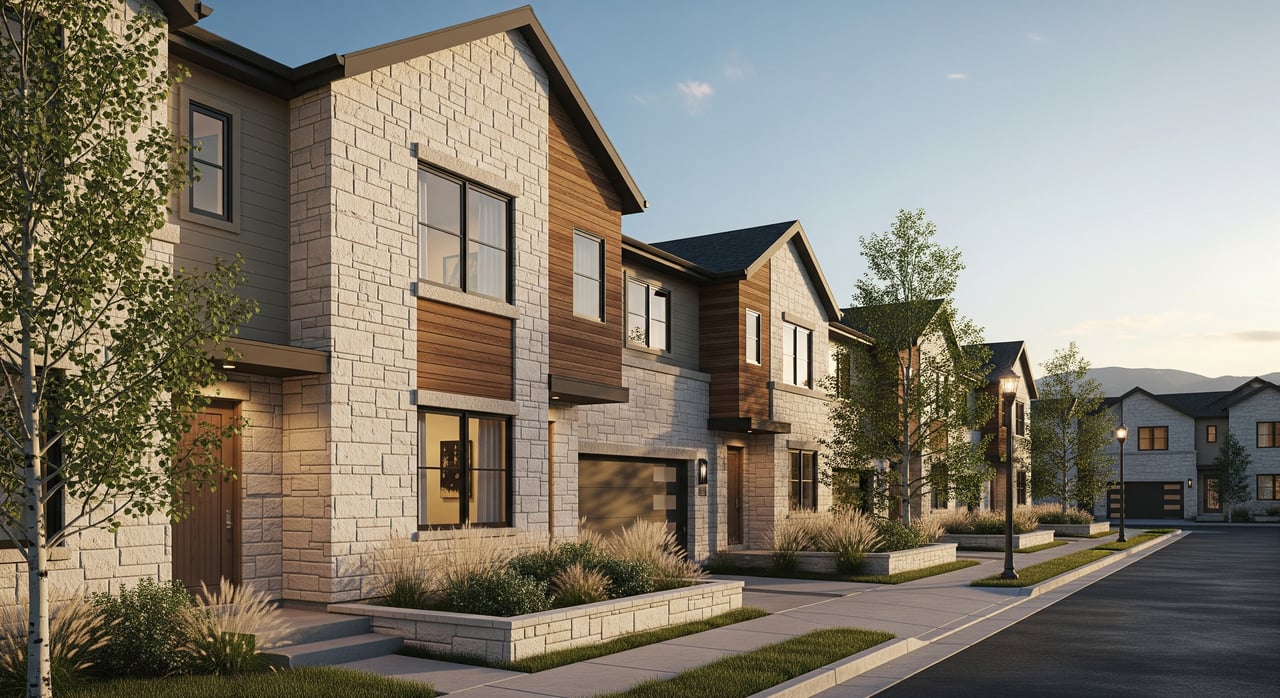
- Townhomes: Two to three stories with a private entry, small yard or patio, and often a garage. Attached, but with a more house-like feel.
- Small single-family homes: Detached ranch or bungalow styles on their own lots. More control and outdoor space, typically more maintenance.
Condos: lower entry price, least upkeep
Condos trade space for simplicity. You get shared amenities, little exterior work, and often walkable locations near retail or transit. That makes them a strong fit if you want the lowest upfront price and minimal maintenance.
HOAs usually cover exterior maintenance, roofs, common areas, and landscaping. Rules vary, and they can include rental caps, pet limits, and parking policies. Always review the HOA budget, reserve study, meeting minutes, and rules to understand dues, future projects, and any risk of special assessments.
Financing can be more complex for condos. If you plan to use FHA, confirm the building is on the HUD condominium approval list. Lenders also review a condo project’s financial health, owner-occupancy levels, and litigation history.
What to budget for a condo
- Insurance: You typically buy an HO-6 “walls-in” policy for your unit’s interior and personal property. The HOA master policy covers the structure and common areas. Confirm deductible exposure and coverage limits.
- HOA dues: Heavily influenced by amenities and services. Higher-amenity buildings generally have higher dues.
- Property taxes: Westminster spans Adams and Jefferson counties. Verify the parcel and tax estimate with the Adams County Assessor or Jefferson County Assessor.
Townhomes: more space, middle-ground costs
Townhomes offer a house-like layout with attached walls. You often gain an extra bedroom, garage, and small yard or patio. They sit between condos and detached homes for both purchase price and maintenance.
Maintenance depends on the HOA. Some communities cover roofs and exteriors. Others only handle common landscaping and snow removal. Read the governing documents carefully so you know who fixes what.
Project structure and financing
Legal structure matters. Some townhomes are fee-simple homes with land ownership like a detached house. Others are part of a condo regime. That difference can affect both insurance needs and loan underwriting. If you are using VA or FHA, ask your lender how the project must be approved. You can review general program information on VA home loans and the FHA condo approval process through HUD.
What to budget for a townhome
- Insurance: Coverage depends on whether the HOA’s master policy includes the exterior. Your agent and lender will help match the right policy.
- HOA dues: Often moderate, but vary with amenities and exterior coverage.
- Property taxes: Confirm county and mill levies through the assessor’s office.
Small single-family homes: control and long-term upside
A small detached home gives you full control over the property, more outdoor space, and flexibility for future improvements. You take on all maintenance, but you also avoid many HOA restrictions, or you may have a lighter-touch HOA.
Detached homes historically have broad buyer appeal and can show stronger long-term appreciation compared to condos. Location still leads the way. Proximity to transit, parks, and schools often drives demand and resale strength.
What to budget for a small single-family home
- Insurance: A standard homeowner’s policy that covers the structure and personal property.
- Maintenance: Plan for exterior paint, roof, yard, and system repairs. Keep an emergency fund for larger items.
- Property taxes: Verify county and any special district fees before you finalize your budget.
Monthly costs, insurance, and PMI in plain English
Your monthly payment includes more than principal and interest. Add HOA dues, taxes, insurance, utilities, and a maintenance reserve. Lower down payments usually come with private mortgage insurance on conventional loans or mortgage insurance premiums on FHA loans. Recent rate increases since 2022 have also raised monthly payments across product types. For a sense of how rates and inventory are affecting the region, consult the Colorado Association of Realtors market trends.
First-time buyer financing and help in Westminster
- Conventional loans: Often available with 3 to 5 percent down for first-time buyers, subject to lender requirements.
- FHA loans: 3.5 percent down for qualified buyers. Condos must meet FHA project approval. Check the HUD condominium approval list.
- VA loans: No down payment for eligible veterans. Project approval rules apply to condos. Learn program basics at VA home loans.
- Down payment assistance: The Colorado Housing and Finance Authority offers programs for eligible buyers. City, county, or nonprofit programs may also be available. Terms change, so contact program administrators to confirm current details.
Choose by lifestyle: quick match checklist
- Lowest entry price and least upkeep: Consider a condo. Verify HOA health, dues, and financing eligibility.
- More space with manageable maintenance: Consider a townhome. Confirm whether the HOA covers roof and exterior.
- Maximum control and outdoor space: Consider a small single-family home. Plan for higher maintenance and stronger long-run resale potential.
What to review before you write an offer
Use this pre-offer checklist for any starter home:
- Ownership type: Is it a condo regime, fee-simple townhome, or detached home?
- HOA packet: CC&Rs, bylaws, budget, reserve study, meeting minutes, rules, rental limits, and any pending litigation.
- Insurance: What does the master policy cover, and what must you insure? What is the master policy deductible?
- Special assessments: Any recent or planned assessments or capital projects?
- Financing fit: If using FHA or VA, is the project approved or lender-eligible?
- Utilities and parking: How utilities are metered and billed, assigned spaces, guest parking rules.
- Noise and construction quality: Ask about shared-wall soundproofing.
- Maintenance responsibilities: Snow removal and landscaping expectations.
- Property taxes and districts: Verify tax amounts and any metro district fees through the county assessor.
- Location and daily needs: Walkability, transit access, grocery options, parks, and school boundaries.
- Inspection focus: Condos focus on interior systems and windows. Townhomes add roof, siding, and any owner-responsible exterior items. Detached homes require a full structural and systems review.
Resale strategy for your first home
If you plan to move up in a few years, think about resale now. Homes near transit, parks, and strong community amenities tend to draw steady demand. Lower-friction HOAs, reasonable dues, and flexible rental policies can expand your future buyer pool. Small-lot single-family homes often offer solid long-term upside. That said, the right micro-location can outweigh product type.
Ready to compare real options?
You deserve a calm, step-by-step process. Our team can set up a tailored search, walk you through HOA documents, coordinate with your lender on project approvals, and map listings to your commute. If you are planning your first purchase in Westminster, reach out to Lydia’s Home Team to get started.
FAQs
What starter-home types are common in Westminster?
- You will see two or three-bedroom condos and townhomes, plus smaller 1,000 to 1,600 square-foot detached homes in older subdivisions.
Can I use FHA to buy a condo in Westminster?
- Yes, if the condo project is FHA approved. Check the building on the HUD condominium approval list or ask your lender to verify.
How do Westminster property taxes work for first-time buyers?
- Westminster spans Adams and Jefferson counties. Confirm the parcel’s county and estimate taxes through the Adams County Assessor or Jefferson County Assessor.
Is RTD transit convenient from starter neighborhoods in Westminster?
- It depends on your location and route. Review RTD system maps to see nearby bus lines and regional connections.
Are townhomes financed like condos or like houses?
- It depends on the legal structure. Some are fee-simple like houses, others are condo regimes. Your lender will classify the project and advise on requirements.